

-
 Phone:+86 189 2494 9366
-
 E-mail:info@zsshengshi.com
-
 No.5, north of the first road, Guyi Changweiyong manufacturingdistrict, Guzhen, Zhongshan, Guangdong, P.R.C
Bulb Holder Manufacturers: Factory QC Checks Before You Place an Order

Bulb Holder Manufacturers: Factory QC Checks Before You Place an Order
Key Takeaways: When evaluating bulb holder manufacturers, the biggest sourcing risks usually come from uncontrolled dimensions, weak plating, poor ceramic or plastic consistency, and incomplete electrical or assembly inspection. Buyers should verify material grade, thread fit, rivet strength, insulation spacing, finish thickness, and process records before approving samples or releasing mass production.
For procurement teams and engineers, comparing bulb holder manufacturers is not only about unit price. In production, small deviations in shell dimensions, thread quality, terminal riveting, insulation parts, or plating thickness can create assembly delays, electrical failures, overheating complaints, and high rejection rates after delivery. These issues are common in lamp holder sourcing because many parts look simple on a drawing but become sensitive once metal hardware, insulating components, and final assembly come together.
If you are placing a new order, changing suppliers, or moving from sample approval to mass production, factory QC checks need to go deeper than visual appearance. A reliable review should confirm whether the supplier can hold critical dimensions consistently, control incoming materials, inspect hidden joints, and provide traceable production records. That is where many sourcing projects succeed or fail.
Why this issue matters in production
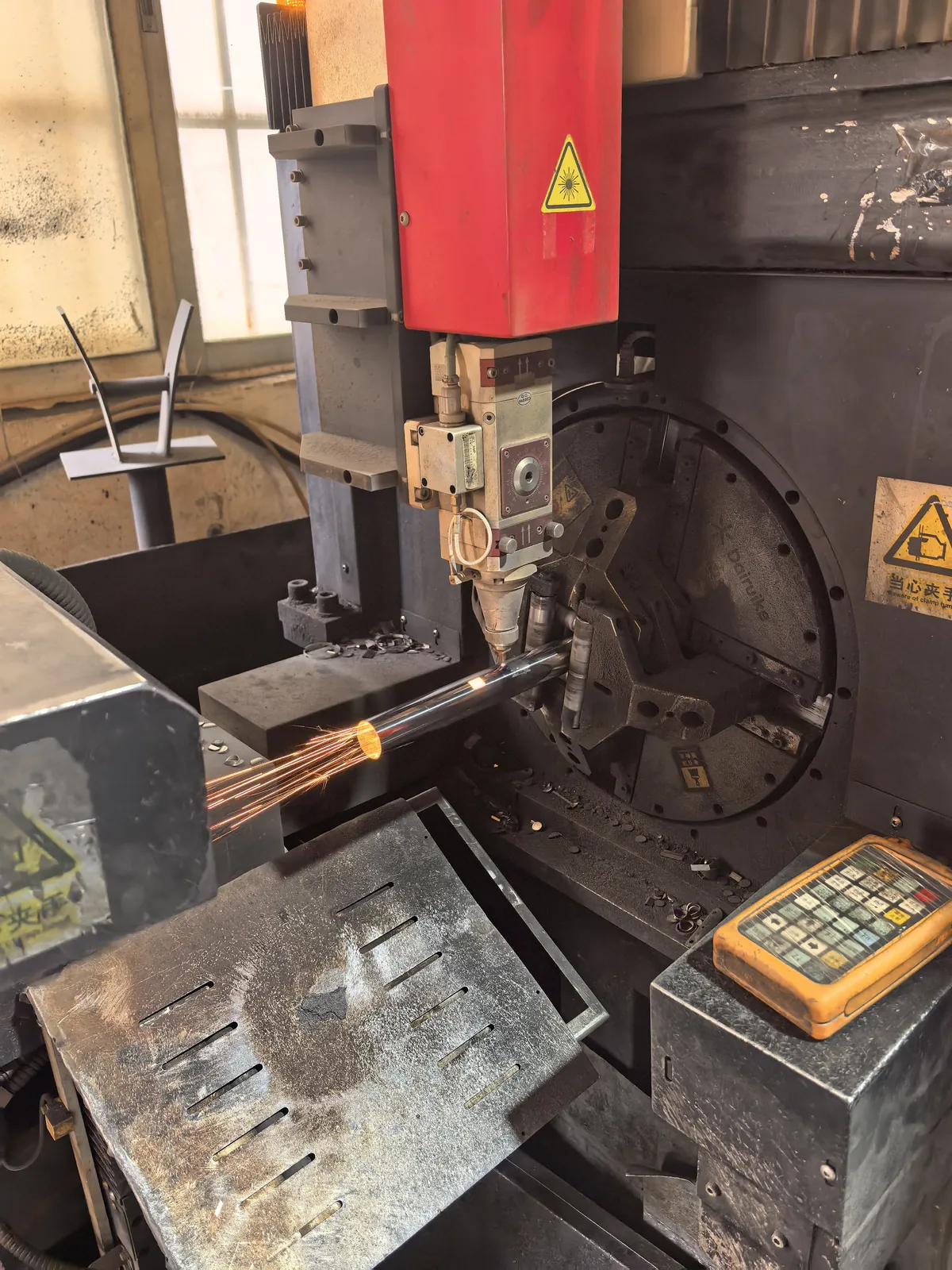
Bulb holders sit at the intersection of metal stamping, threading, machining, riveting, surface finishing, insulation assembly, and electrical contact performance. Because of that, one weak process can affect the entire finished part. A shell that is slightly out of round may still pass a casual visual check, but later it can cause poor cap engagement. A plating layer that looks bright may still be too thin, leading to early corrosion in storage or after installation. A terminal rivet that feels tight in a sample may loosen after repeated wiring torque if rivet deformation is not controlled in mass production.
From a B2B sourcing perspective, the real cost is usually not the defective piece itself. The bigger cost comes from line stoppage, rework, delayed shipment, field claims, and sorting labor. This is why experienced buyers ask for QC checkpoints tied to actual failure modes, not generic statements such as “100% inspected” or “good quality guaranteed.”
In ordinary lighting accessory programs, the most common quality problems show up in three stages:
- During incoming assembly at the customer side: poor fit with lamp caps, terminals, brackets, or housings.
- During electrical or thermal use: unstable contact resistance, overheating, insulation damage, or loosening after installation.
- During storage or transport: scratched finish, corrosion, cracked ceramic parts, or bent shells.
Common defects, failure points, or hidden risks
Buyers often focus on the visible shell and overlook process-sensitive details. In practice, the following defects are the ones most likely to create claims or production disruption.
1. Thread mismatch and cap fit problems
For Edison-type holders, thread pitch, lead-in shape, burrs, and roundness all matter. If thread forming tools wear out or stamping dimensions drift, the bulb may screw in with excessive torque, sit crooked, or fail to achieve stable contact. This is especially common when factories inspect only with a visual gauge instead of a functional mating test.
2. Weak terminal riveting or loose contact parts
Riveted contact assemblies can pass outgoing inspection if checked only by appearance. But if rivet upset height, material hardness, or hole tolerance is inconsistent, the connection may loosen during wiring or vibration. That leads to unstable contact resistance and heat buildup.
3. Inconsistent ceramic or insulating component quality
Ceramic inserts may crack from poor sintering control or handling damage. Thermoset or thermoplastic insulators may show flash, warpage, shrink variation, or brittle behavior if the resin grade is substituted. In many low-cost projects, material substitution is a bigger risk than buyers expect.
4. Poor plating or coating adhesion
Nickel, zinc, brass-tone, or other decorative/protective finishes can fail from inadequate pretreatment, oil contamination, or thin deposit thickness. The part may look acceptable on shipment day but corrode quickly in humid storage. For metal lamp holder shells and brackets, finish quality directly affects both appearance and service life.
5. Burrs and edge damage after stamping
Stamped shells, tabs, and brackets often carry small burrs at pierced holes or cut edges. These burrs can damage wires, interfere with assembly, or create unsafe sharp edges. Factories sometimes miss them because operators inspect finished parts under poor lighting or do not define acceptable burr height.
6. Dimensional stack-up in multi-part assemblies
A bulb holder may include shell, insert, center contact, screw terminal, rivet, bracket, and insulating ring. Each part may be within its own tolerance, yet the final assembly can still fail because the tolerance stack was never reviewed. This is a common reason samples pass while mass production becomes unstable.
What should buyers compare before approving a bulb holder supplier?
A practical supplier comparison should focus on measurable controls. Ask the factory how they verify fit, finish, electrical safety, and assembly consistency. If the answers stay general, that is already useful information.
| Checkpoint | What to verify | Typical method | Risk if missed |
|---|---|---|---|
| Shell material | Brass, steel, aluminum, thickness, hardness | Material cert + thickness check | Weak forming, corrosion, poor conductivity |
| Thread fit | Pitch, roundness, mating torque | Go/no-go + functional cap test | Assembly jam or loose bulb fit |
| Terminal assembly | Rivet strength, contact position, torque resistance | Pull test + torque test | Loose connection, overheating |
| Insulator quality | Material grade, crack, flash, warpage | Visual + dimension + material record | Breakage or insulation failure |
| Plating or finish | Thickness, adhesion, color consistency | XRF, tape test, salt spray if required | Rust, peeling, cosmetic rejection |
| Critical dimensions | Overall height, mounting hole, contact spacing | Caliper, gauge, fixture | Poor fit in customer assembly |
| Outgoing packaging | Part separation, tray or bag protection | Drop review + packing audit | Scratches, bent parts, mixed lots |
When comparing quotes, ask each supplier to identify which of these checks are done in-process and which are only done at final inspection. In-process control is usually more valuable because it prevents defect creation instead of only sorting after the fact.
Material and finish choices: what changes the QC risk?

Not all bulb holder designs carry the same manufacturing risk. Material and finish selection affect conductivity, corrosion resistance, forming behavior, appearance stability, and inspection difficulty.
| Option | Main advantage | Main QC concern | Buyer note |
|---|---|---|---|
| Brass shell | Good formability and conductivity | Material substitution risk | Verify alloy and thickness |
| Steel shell | Lower cost and strength | Higher corrosion sensitivity | Finish control matters more |
| Ceramic insert | Heat resistance | Cracks and chipping | Check handling and packing |
| Thermoset insert | Stable insulation | Flash and molding variation | Control dimensions at mating areas |
| Nickel plating | Appearance and corrosion resistance | Thin deposit or poor adhesion | Request thickness standard |
| Zinc plating | Economical protection | White rust in storage | Review passivation and packaging |
If the product will be used in humid environments, enclosed fixtures, or export channels with long transit times, finish and packaging controls deserve more attention than buyers sometimes give them. Cosmetic defects and corrosion often start as packaging or storage issues, not only plating defects.
What should a reliable supplier or factory be able to provide?
A dependable factory should be able to show more than a sample and a quotation sheet. For bulb holders and related lighting hardware, buyers should expect evidence of process capability and traceability.
- Material certificates or at least clear incoming material records for metal and insulating parts.
- Controlled drawings with revision status and identified critical dimensions.
- Inspection standards for dimensions, finish, thread fit, burrs, and assembly strength.
- Basic in-process inspection records, not only final packing records.
- Functional test method for mating fit or electrical contact where applicable.
- Defined packaging standard to prevent scratches, deformation, or ceramic damage.
- Clear handling of nonconforming lots, rework limits, and lot traceability.
If a supplier cannot explain which dimensions are critical, how plating thickness is checked, or how rivet strength is verified, the risk is not only technical. It also means the factory may struggle to respond when a field issue appears and root-cause analysis is needed.
Practical checklist before sample approval and mass production
Below is a practical verification framework procurement and engineering teams can use before releasing an order.
- Confirm the exact bill of materials: metal grade, thickness, insulator type, contact material, finish specification.
- Freeze critical dimensions: thread spec, mounting dimensions, contact position, overall height, terminal spacing.
- Approve against real mating parts: test with actual bulb caps, wires, brackets, or fixture housings where possible.
- Define appearance acceptance: scratches, color variation, burr limits, plating marks, ceramic edge chips.
- Review special characteristics: contact resistance, dielectric requirement, torque resistance, pull force, heat-related performance if applicable.
- Ask for first article data: not just one approved sample, but measured values from several pieces across a lot.
- Confirm process flow: stamping, threading, plating, riveting, assembly, final inspection, packaging.
- Audit packaging: check whether parts can rub, nest too tightly, or crack in transit.
- Set lot traceability: date code, batch marking, carton identification, or production record linkage.
- Clarify change control: no material, tool, finish, or sub-supplier change without buyer approval.
A common mistake is approving a hand-finished sample that does not represent normal production. Ask whether the sample was made on production tooling, with standard plating flow, and by the same assembly method planned for the order. If not, sample approval has limited value.
When to involve the factory early
Early factory involvement is especially important when the bulb holder is custom, integrated into a larger fixture assembly, or has unusual finish or mounting requirements. Many preventable issues come from releasing a drawing before manufacturing details are reviewed.
Bring the supplier in early if:
- The design combines tight fit requirements with multiple formed metal parts.
- The holder must match a decorative finish across other lighting hardware.
- The assembly includes ceramic parts that may chip during fastening or transport.
- The terminal design must withstand repeated wiring torque.
- The product has export packaging, humidity exposure, or long warehouse time.
- The project needs custom brackets, tabs, or secondary machining after stamping.
At this stage, an experienced supplier can flag tolerance stack-up, suggest more stable hole or rivet dimensions, recommend realistic plating ranges, and adjust packaging before defects become expensive. This is often where a manufacturing partner adds more value than a trading quote alone.
Conclusion
Choosing among bulb holder manufacturers should come down to controlled production, measurable inspection, and honest communication about process limits. The best supplier is not simply the one with the lowest quote or the brightest sample finish. It is the one that can show how material, dimensions, surface treatment, assembly strength, and packaging are controlled before defects reach your warehouse or customer line.
If you are reviewing a new lighting hardware project or re-checking an existing source, the next practical step is to compare factory capabilities against your actual drawing, finish, and assembly requirements. You can review our Home page for company background, explore our Services for custom metal hardware and lighting accessory processing support, or contact the team to discuss a bulb holder sourcing or verification project.
If your project involves finish, tolerance, or custom production questions, the next useful step is to review main company website and lighting hardware sourcing support before finalizing drawings, samples, or mass-production requirements.
 Floor Lamp Sets
 Wall Lamp Sets
 Table Lamp Sets
 Custom Hotel Parts
 Custom Made Parts
 Panels
 Tubes
Tubes Universal joints
 Machined Parts