

-
 Phone:+86 189 2494 9366
-
 E-mail:info@zsshengshi.com
-
 No.5, north of the first road, Guyi Changweiyong manufacturingdistrict, Guzhen, Zhongshan, Guangdong, P.R.C
Lantern Parts Suppliers: Factory Verification Checklist for Specs, Finish, and QC

Lantern Parts Suppliers: Factory Verification Checklist for Specs, Finish, and QC
Key Takeaways: When evaluating lantern parts suppliers, the biggest sourcing risks usually come from unclear drawings, finish mismatch, and weak in-process control rather than from quoted price alone. Buyers should verify material grade, dimensional fit, coating specification, assembly interface, and inspection records before approving samples or releasing mass production.
For procurement teams and engineers sourcing metal lantern components, supplier evaluation is rarely just about whether a factory can stamp, bend, spin, weld, or plate a part. The real question is whether the supplier can hold the required dimensions across batches, keep visible surfaces consistent, and prevent assembly problems when multiple parts come together in final production.
This is where many buyers struggle with lantern parts suppliers. A sample may look acceptable in isolation, but mass production exposes hidden issues: pierced holes drifting off position, lids rocking because the flange is not flat, powder coat building up on fit surfaces, glass-retaining rings arriving with burrs, or threaded parts seizing after plating. A proper factory verification process should catch these risks before tooling release and before the first production shipment.
Below is a practical checklist based on common manufacturing realities in metal hardware and lighting accessory processing. It is intended for buyers comparing suppliers for lantern tops, bases, handles, burner holders, frames, decorative cages, brackets, rings, glass supports, and other custom metal parts.
Why this issue matters in production
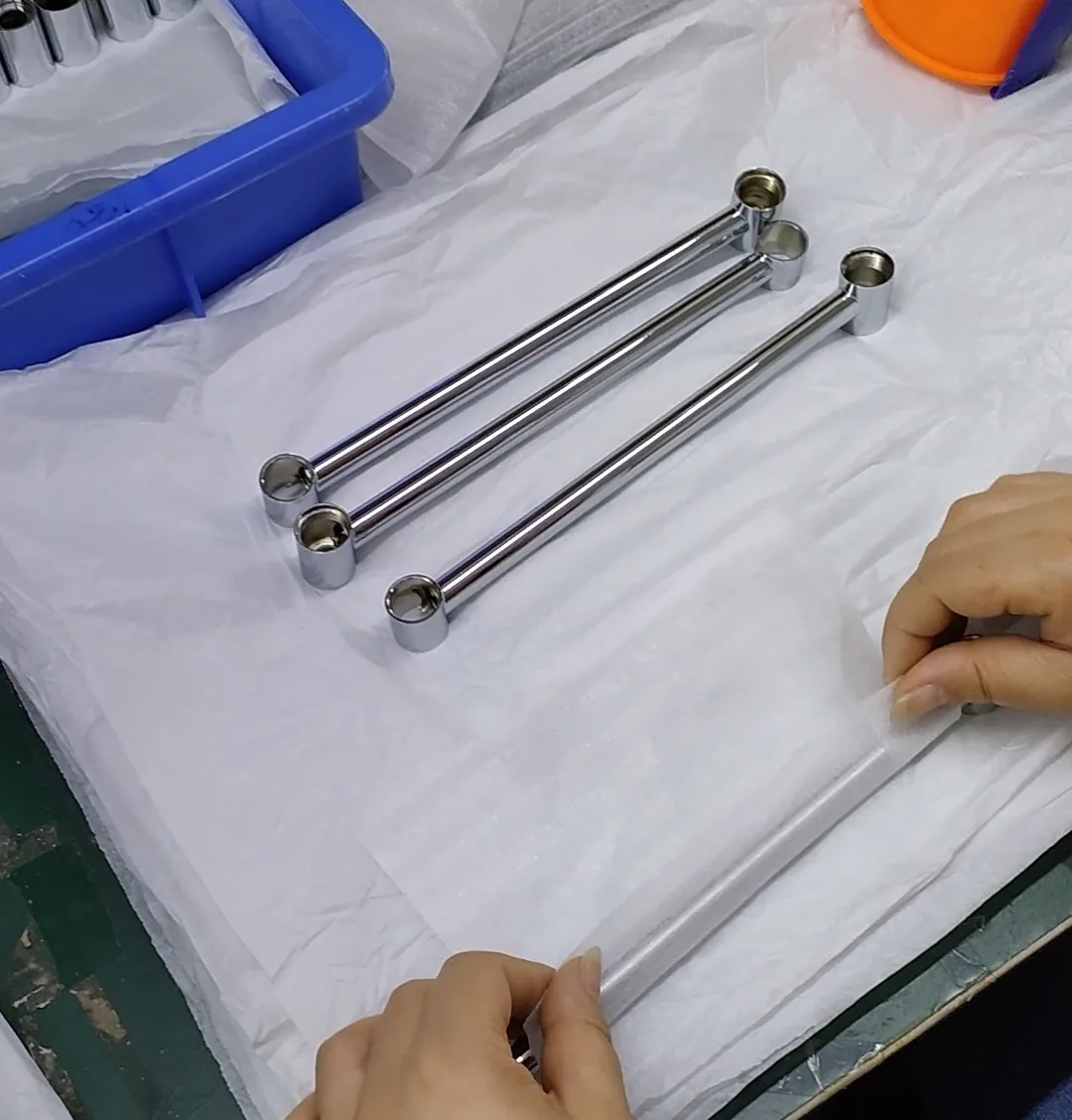
Lantern parts are usually simple-looking components, but they combine several risk factors that make supplier capability important. Many parts are cosmetic, many are assembled by hand, and many rely on dimensional relationships rather than one standalone measurement. A frame may be within drawing tolerance, yet still fail to align with the glass chimney or top cap because the tolerance stack is not controlled across mating parts.
In production, the most expensive problems are not always obvious defects. They are often secondary losses:
- Slow assembly because holes do not line up consistently
- High touch-up or rework because visible coating defects exceed customer standard
- Scrap after finishing because welded distortion was not accounted for
- Late delivery because outsourced plating or powder coating failed salt spray or adhesion testing
- Field complaints caused by rust bleed at welds or sharp edges at user contact points
A reliable supplier should therefore be evaluated on process control, not just sample appearance. Buyers need evidence that the factory understands blank tolerance, forming springback, welding heat input, masking requirements, thread protection, coating thickness control, and final fit verification.
Common defects, failure points, or hidden risks
When auditing lantern part production, several defect patterns appear repeatedly. These are the issues experienced buyers ask about early because they affect both quality and delivery stability.
1. Material substitution or grade ambiguity
Low-carbon steel, stainless steel, brass, aluminum, and zinc alloy may all be used in lantern assemblies, but they behave differently in forming, welding, polishing, and finishing. If the drawing says only “metal” or “steel,” the supplier may choose a lower-cost option that changes corrosion resistance or surface finish results. This is especially risky when parts are later plated or powder coated.
2. Burrs on pierced or laser-cut edges
Lantern cages, vent holes, brackets, and retaining rings often have many cut edges. Small burrs are easy to miss in samples but become a safety issue during assembly and can also interfere with coating coverage. If deburring is inconsistent, powder coat may thin at the edge and rust can start early.
3. Distortion after welding or brazing
Handle supports, top frames, and decorative structures often require welding. If fixtures are weak or heat input is not controlled, the final geometry drifts. The part may still pass a few basic dimensions while failing flatness, symmetry, or assembly fit.
4. Finish mismatch across mixed processes
One lantern assembly may combine stamped steel, wire-formed parts, cast details, and turned hardware. If these parts are finished in different batches or by different subcontractors, gloss, color tone, texture, and plating brightness can vary noticeably. This is a common reason for sample approval disputes.
5. Thread problems after plating or coating
Decorative nuts, burner holders, screw bosses, and pipe-threaded connectors can become too tight after electroplating or powder coat overspray. Some suppliers inspect thread dimensions before finishing but not after finishing, which misses the real assembly condition.
6. Weak packaging for cosmetic parts
Even if the factory makes good parts, poor interleaving and carton design can cause rubbing marks, edge dents, and chipped finish during transport. For visible lantern components, packaging is part of quality control, not just logistics.
What should buyers compare when evaluating lantern parts suppliers?
A useful comparison should go beyond unit price and lead time. Buyers should compare how each supplier defines specifications, controls process variation, and documents inspection. The table below summarizes practical checkpoints.
| Checkpoint | What to verify | Common supplier gap | Buyer benefit |
|---|---|---|---|
| Material | Grade, thickness, temper, certificate | Generic material callout only | Stable forming and corrosion performance |
| Dimensions | Critical-to-fit dimensions and datum method | Checks only overall size | Fewer assembly issues |
| Finish | Color, gloss, texture, thickness, adhesion | Visual match by eye only | More consistent appearance |
| Threads and fits | Go/no-go after finishing | Inspects before coating only | Less rework in assembly |
| Weld quality | Fixture control, distortion check, cleanup standard | No defined acceptance standard | Better geometry and cosmetics |
| Inspection records | FAI, in-process checks, final report | Only final visual inspection | Earlier problem detection |
| Packaging | Part separation, drop risk, rub protection | Bulk packing for cosmetic parts | Lower transit damage |
If a supplier cannot clearly explain these checkpoints, that usually means the process is being managed by experience alone rather than by controlled documentation. That may work for very simple commodity parts, but it becomes risky for custom lantern assemblies with visible surfaces and multiple mating features.
What a reliable supplier or factory should be able to provide
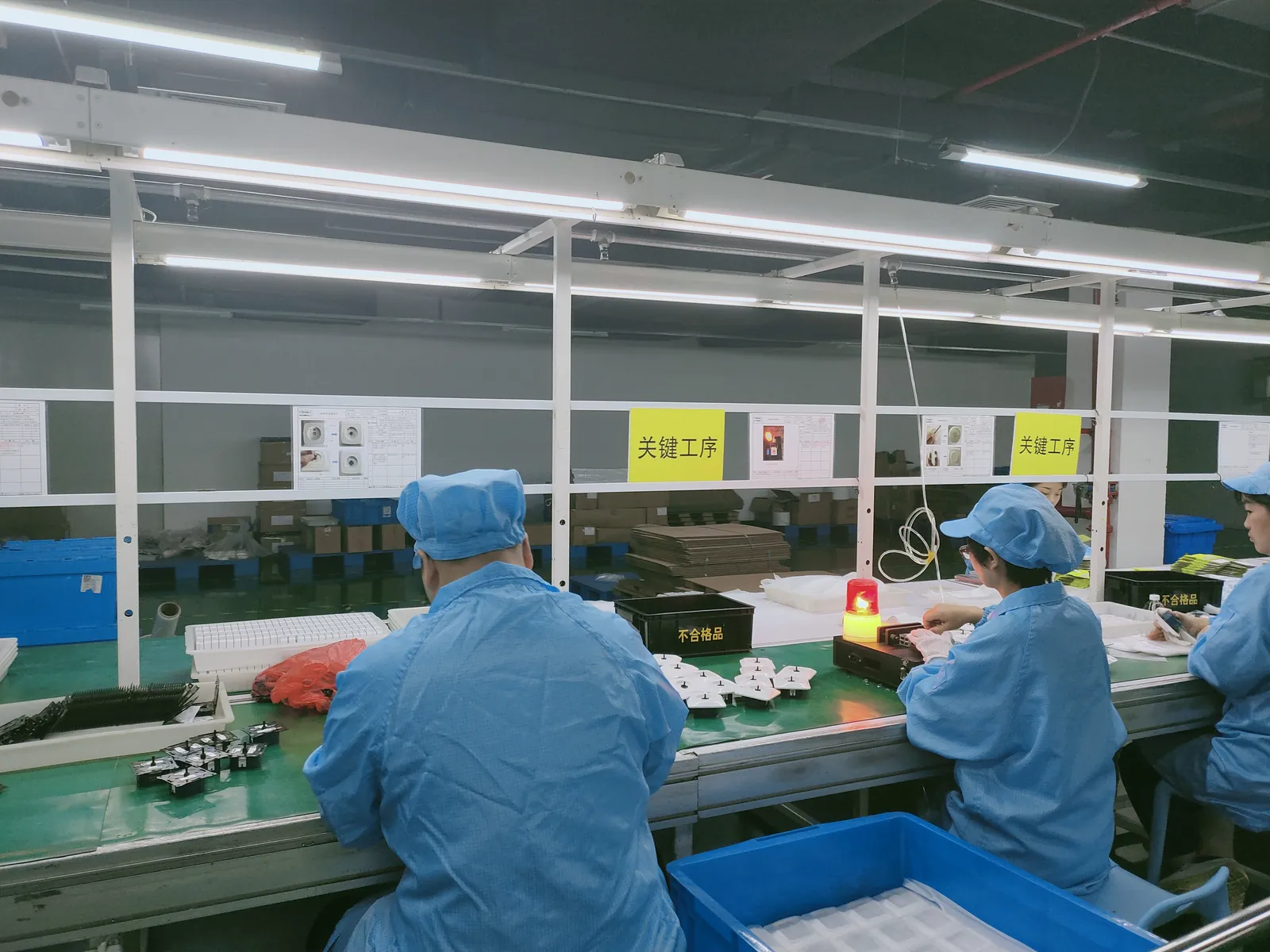
A capable factory does not need to be the biggest supplier, but it should be able to provide objective evidence of process control. For custom lantern parts, buyers should expect the following:
- Reviewed drawings with marked critical dimensions and any manufacturability comments
- Material certificates or traceable purchase records for the specified grade
- Sample inspection report tied to drawing balloon numbers
- Finish specification confirmation, including coating type and target thickness
- Defined appearance standard for visible surfaces, weld cleanup, and edge condition
- Fit-check method for mating parts or sample assembly verification
- In-process inspection points for stamping, bending, welding, threading, and finishing
- Packaging proposal for cosmetic protection during shipment
One important signal is whether the factory asks good questions before quoting or before making samples. Suppliers with real process experience will ask about stack-up dimensions, assembly sequence, cosmetic zones, masking areas, and whether threads are checked after finish. Suppliers who ask none of these questions often assume too much and then correct problems later through rework.
Practical factory verification checklist before sample approval
Before approving samples or moving to mass production, use a structured verification framework. This helps procurement and engineering review the same risks in the same order.
| Stage | Verification item | Method | Acceptance focus |
|---|---|---|---|
| RFQ | Drawing completeness | Document review | Material, finish, tolerances defined |
| Pre-sample | Process route | Factory discussion | Blanking, forming, weld, finish sequence |
| Sample | Critical dimensions | FAI report | Fit-related dimensions pass |
| Sample | Appearance and finish | Visual plus thickness check | Color, gloss, coverage acceptable |
| Sample | Assembly test | Trial build | No forcing, rocking, or cross-threading |
| Pilot run | Consistency across batch | Sampling inspection | Variation stays within control |
| Shipment | Packaging protection | Pack drop and rub review | No finish damage in transit |
A practical note: sample approval should not be based on one hand-picked part only. Ask for sample parts from normal process conditions, especially if the product includes welding and finishing. A polished one-off prototype may hide the variation that appears in batch production.
When to involve the factory early
Early supplier involvement is most useful when the design includes visible decorative features, tight fit to glass or cast parts, mixed materials, or multiple finishing steps. In these cases, waiting until the sample stage often means the drawing is already too fixed, and changes become slower and more expensive.
Bring the factory in early if any of the following apply:
- The part has cosmetic Class A surfaces and the finish must match other components
- The design uses thin sheet metal that may distort during welding or post-finish baking
- Threads, hinges, or sliding fits will be coated or plated
- The lantern assembly depends on concentricity, flatness, or balanced symmetry
- The part combines stamping, wire forming, machining, and outsourced surface treatment
- The drawing does not yet define masking zones, edge-break requirements, or cosmetic acceptance criteria
At this stage, a good supplier can recommend tolerance adjustments, fixture improvements, finish-friendly geometry, drain holes for plating, or assembly-oriented dimensioning. These are small changes on paper but they often decide whether production runs smoothly.
Final sourcing advice for buyers comparing factories
When comparing lantern parts suppliers, do not treat all acceptable samples as equal. The stronger supplier is usually the one that can explain how the part will be made, where variation is likely to occur, how finish quality will be controlled, and what will be inspected before shipment. That level of detail matters far more than a low quote that leaves material, coating, or assembly fit open to interpretation.
If you are reviewing a new lantern parts project, the next sensible step is to compare factory capability against your drawing, finish standard, and assembly requirements. You can review our Home page for company background, explore our Services for custom metal hardware and lighting accessory processing support, or discuss your project requirements with our team before sample release.
If your project involves finish, tolerance, or custom production questions, the next useful step is to review main company website and lighting hardware sourcing support before finalizing drawings, samples, or mass-production requirements.
 Floor Lamp Sets
 Wall Lamp Sets
 Table Lamp Sets
 Custom Hotel Parts
 Custom Made Parts
 Panels
 Tubes
Tubes Universal joints
 Machined Parts