

-
 Phone:+86 189 2494 9366
-
 E-mail:info@zsshengshi.com
-
 No.5, north of the first road, Guyi Changweiyong manufacturingdistrict, Guzhen, Zhongshan, Guangdong, P.R.C
How to Specify Lighting Hardware for Hotel Projects by Area and Use Case

How to Specify Lighting Hardware for Hotel Projects by Area and Use Case
Key Takeaways: Specifying lighting hardware for hotel projects should start with area-specific performance needs, not just fixture appearance or target price. Procurement teams get better outcomes when they compare suppliers on finish consistency, fabrication capability, packaging control, and project coordination discipline before approving production.
Introduction: why hotel lighting hardware is harder to source than it looks
For hotel developments, the visible lamp or decorative fixture usually gets most of the design attention. But from a sourcing and manufacturing standpoint, the real project risk often sits in the metal parts behind the finished look: mounting plates, brackets, canopies, stems, housings, fasteners, diffusers supports, decorative rings, and plated or powder-coated trim components. This is where many teams underestimate the complexity of lighting hardware for hotel projects.
Unlike standard retail or residential orders, hotel programs involve repeated room types, public-area signature pieces, strict finish matching, installation deadlines, and close coordination between lighting brands, contractors, and interior design teams. A bracket that is acceptable for a sample room may fail in bulk production if hole tolerances drift, weld seams show through a satin finish, or packaging cannot protect plated surfaces during multi-stage delivery.
For procurement managers and product teams, the practical question is not only whether a supplier can make the parts. It is whether the supplier can make the right hardware for each hotel area, at repeatable quality, with enough process control to support installation and brand standards.
Why this decision matters commercially and operationally
Hotel projects multiply small hardware errors into large commercial problems. A finish mismatch across 600 guestroom sconces can trigger rework, delay installation, and create disputes between the lighting vendor, project manager, and factory. A weak wall plate design may increase field failures and warranty exposure. An over-engineered decorative metal part may look good in prototype review but push unit cost beyond budget when the order moves to full production.
This is why area-based specification matters. Different hotel zones create different stress on the hardware:
- Guestrooms need repeatability, efficient assembly, and stable finish quality across high quantities.
- Bathrooms need corrosion awareness, especially around plated steel parts and humid conditions.
- Lobbies and reception zones need stronger decorative execution because guests see them up close.
- Corridors need durable, serviceable hardware that supports fast installation and maintenance.
- Restaurants, bars, and meeting areas often need custom geometry, tighter coordination, and lower tolerance for visible defects.
Buyers who specify hardware by use case rather than by a single general standard usually reduce cost surprises and supplier disputes later in the project.
Common mistakes buyers make when comparing hotel lighting hardware suppliers
The most common sourcing mistake is comparing only quoted unit price and sample appearance. In hotel work, that is not enough. A supplier can offer a competitive quote on decorative metal components while hiding weak process control in polishing, plating adhesion, weld cleanup, or packaging protection.
Other weak comparison habits include:
- Using one finish approval sample as proof of full-batch consistency.
- Assuming public-area hardware and guestroom hardware can be produced with the same process discipline.
- Ignoring installation method until late-stage engineering review.
- Not confirming whether the supplier makes tooling in-house or relies on multiple subcontractors.
- Failing to define acceptable variation for color, gloss, weld marks, and edge quality.
- Overlooking MOQ and replenishment terms for phased hotel openings.
- Approving prototypes without transport-tested packaging.
In practice, hotel lighting hardware fails less often because of dramatic technical defects and more often because buyers did not lock down production expectations early enough.
How should buyers specify lighting hardware for each hotel area?
A practical approach is to classify hardware requirements by area, visibility, service environment, and replacement difficulty. This helps procurement and engineering teams avoid over-specifying simple parts while protecting critical decorative or high-risk items.
| Hotel Area | Typical Hardware Focus | Main Risk | Buyer Priority |
|---|---|---|---|
| Guestrooms | Wall plates, arms, canopies, stems | Batch inconsistency at volume | Repeatability, assembly efficiency, cost control |
| Bathrooms | Plated brackets, moisture-exposed trim | Corrosion or finish failure | Material choice, coating adhesion, sealing details |
| Corridors | Mounting hardware, serviceable housings | Installation delays | Tolerance control, easy access, packing accuracy |
| Lobby and reception | Decorative metal structures, visible trim | Visible defects under close inspection | Surface quality, weld finishing, finish matching |
| Restaurant and bar | Custom frames, mixed-material supports | Prototype-to-mass gap | Engineering support, sample validation, custom fabrication |
| Meeting rooms | Suspension systems, modular hardware | Alignment and installation issues | Dimensional control, field-fit confirmation |
This type of area-specific breakdown helps buyers write clearer RFQs and avoid sending the same requirement set to every item in the project.
What should buyers compare between suppliers?
When two suppliers offer similar pricing, the better decision usually comes from comparing process fit, not just commercial terms. Hotel lighting hardware often combines sheet metal fabrication, tube processing, welding, polishing, surface finishing, assembly, and export packaging. Weakness in any one step can affect the final result.
| Comparison Point | Supplier A Signal | Supplier B Signal | What It Means for Buyer |
|---|---|---|---|
| Finish process | In-house control | Outsourced finishing | In-house usually improves consistency and schedule visibility |
| Prototype support | Engineering review included | Sample only by drawing | Engineering input reduces production surprises |
| MOQ flexibility | Supports phased releases | Rigid MOQ | Flexible MOQ helps mixed hotel schedules |
| Quality records | Inspection data shared | General quality promise | Data is stronger than claims |
| Packaging method | Part-specific protection | Standard carton only | Protective packaging matters for plated or polished parts |
| Communication speed | Clear technical feedback | Slow commercial replies | Fast technical communication lowers approval delays |
A reliable supplier should be able to explain where tolerances are critical, which finishes are stable at volume, and which decorative details may create yield loss or schedule risk. If the supplier cannot discuss these tradeoffs early, the quote may not reflect actual production readiness.
What factory capability evidence should buyers request?
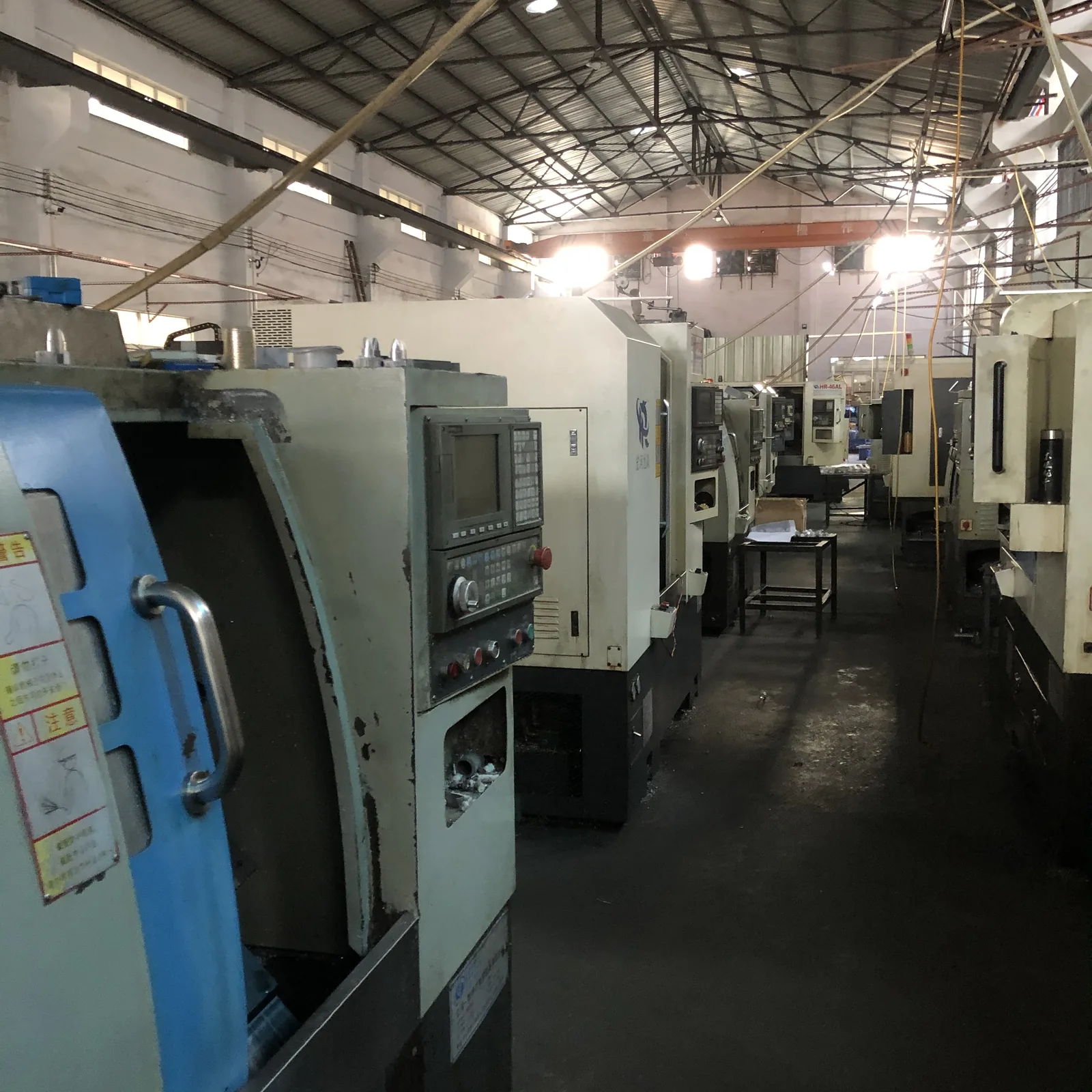
Capability claims should be verified with production evidence. For hotel lighting hardware, buyers should request proof tied to the actual manufacturing steps required for the project, not generic factory introductions.
- Photos or videos of similar metal hardware production, especially brackets, canopies, frames, and decorative parts.
- Finish samples across multiple batches, not just one showroom sample.
- Inspection reports covering dimensions, finish appearance, coating thickness, or adhesion where relevant.
- Packaging test evidence for polished, plated, or fragile assembled components.
- Tooling and fixture capability for repeat room-type production.
- Welding and polishing examples showing how visible seams are controlled.
- Project references with similar order structure such as guestrooms plus public areas.
- Sample approval workflow and mass-production sign-off procedure.
If a supplier relies heavily on outside subcontractors, buyers should also ask which steps are outsourced and how those vendors are controlled. Outsourcing is not automatically a problem, but hidden subcontracting often creates finish variation, lead time uncertainty, and communication gaps.
Practical buyer checklist before placing a hotel lighting hardware order
Before confirming production, procurement and engineering teams should align on a simple but disciplined checklist. This avoids the common problem of commercial approval moving ahead while technical assumptions remain open.
| Checkpoint | Confirmed? | Why It Matters |
|---|---|---|
| Area-by-area use case defined | Yes/No | Prevents over- or under-specification |
| Material and finish approved | Yes/No | Reduces finish disputes and corrosion risk |
| Installation method confirmed | Yes/No | Avoids field rework and mounting errors |
| Tolerance points identified | Yes/No | Protects assembly fit and alignment |
| Golden sample signed off | Yes/No | Creates reference for mass production |
| Packaging standard approved | Yes/No | Prevents transit damage and site confusion |
| Lead time by batch agreed | Yes/No | Supports phased opening schedule |
| Inspection plan defined | Yes/No | Improves accountability before shipment |
How to reduce sourcing risk before order confirmation
Risk reduction in hotel hardware sourcing is mostly about removing ambiguity. Buyers should convert visual expectations into measurable standards wherever possible. If satin brass is required, define sample reference, gloss range if relevant, and what level of tonal variation is acceptable between batches. If a wall sconce backplate must sit flush, define flatness and mounting-hole tolerance. If parts will be installed in humid areas, confirm base material and coating system rather than approving appearance alone.
It is also wise to separate prototype approval from production approval. A hand-finished sample may not represent mass output. Ask the supplier to explain how the approved sample will be reproduced at volume, what process controls are used, and what checkpoints happen before packing.
For larger hotel programs, buyers should consider staged approval:
- Engineering sample approval
- Finish sample approval
- Pre-production sample approval
- In-line inspection confirmation
- Pre-shipment inspection confirmation
This sequence is especially important when the project includes both standardized guestroom hardware and custom public-area pieces, because the risk profile is different for each category.
Conclusion: specify by use case, then choose the factory that can prove control
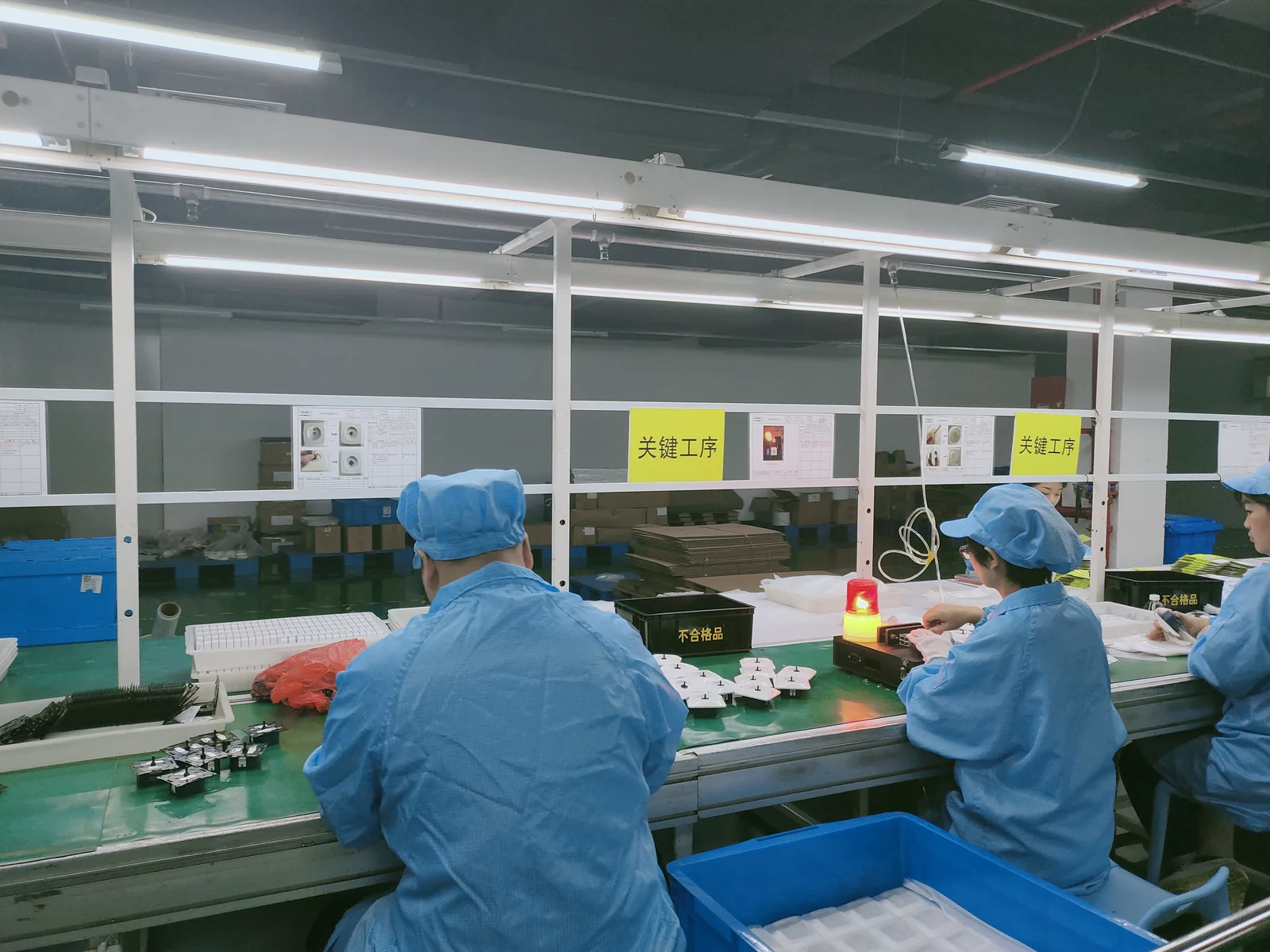
The best sourcing decisions for lighting hardware for hotel projects come from matching hardware specification to the actual hotel area, service condition, and installation scenario. Buyers should compare suppliers on process control, finish stability, engineering support, packaging discipline, and communication quality, not just quoted price.
If you are reviewing a new hotel program or re-evaluating an existing supplier base, the next practical step is to compare manufacturing capability against your room types and public-area requirements. You can review service capability, discuss OEM/ODM details for custom metal hardware, or start a sourcing conversation with the team to assess project fit before moving into sampling or quotation.
If your project involves finish, tolerance, or custom production questions, the next useful step is to review main company website and lighting hardware sourcing support before finalizing drawings, samples, or mass-production requirements.
 Floor Lamp Sets
 Wall Lamp Sets
 Table Lamp Sets
 Custom Hotel Parts
 Custom Made Parts
 Panels
 Tubes
Tubes Universal joints
 Machined Parts