

-
 Phone:+86 189 2494 9366
-
 E-mail:info@zsshengshi.com
-
 No.5, north of the first road, Guyi Changweiyong manufacturingdistrict, Guzhen, Zhongshan, Guangdong, P.R.C
LED Bulb SKD Suppliers: Factory Verification and QC Checklist

LED Bulb SKD Suppliers: Factory Verification and QC Checklist
Key Takeaways: Choosing led bulb skd suppliers is not only about price and lead time. Buyers should verify process capability, incoming material control, assembly fit, surface finish consistency, and electrical safety checkpoints before approving samples or releasing volume orders. A reliable factory should be able to show documented specifications, in-process inspection records, traceability, and clear action plans for common failure modes.
For procurement teams and product managers, sourcing LED bulb SKD parts often looks simple at the quotation stage: housing, cap, diffuser, driver-related parts, packaging, and assembly support. In production, however, small deviations create expensive problems. A cap thread that runs tight, a diffuser that snaps under insertion force, a painted aluminum body with poor adhesion, or a holder dimension drifting outside fit tolerance can stop line output or increase rework quickly.
That is why evaluating led bulb skd suppliers should go beyond commercial terms. The right supplier should help you confirm dimensional compatibility, material grade, finish durability, process stability, and inspection discipline before mass production. For buyers working with metal hardware and lighting accessory components, factory verification is where cost control and quality control meet.
Why this issue matters in production
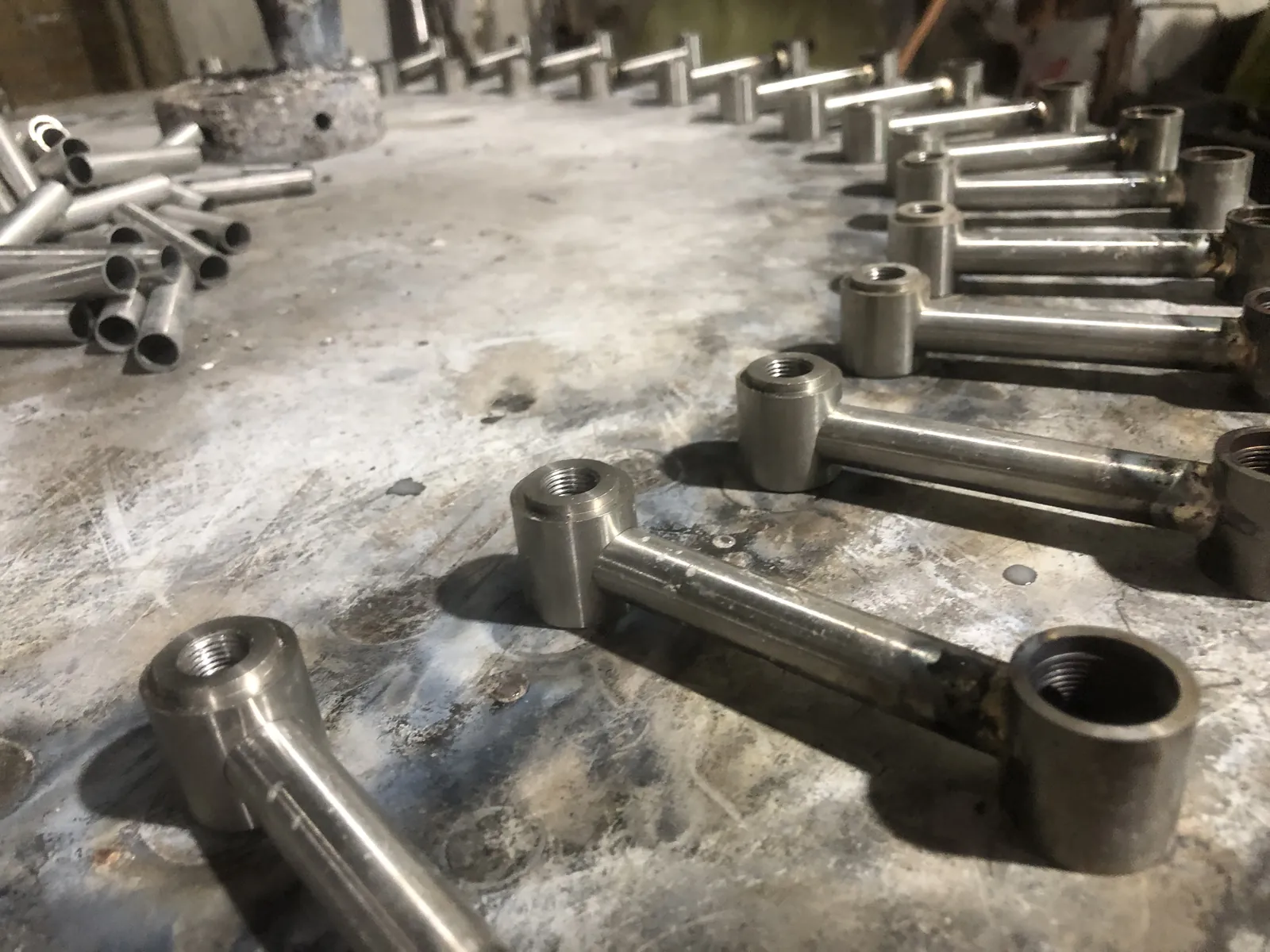
In LED bulb SKD supply, many defects do not appear in the first visual check. A sample may look acceptable on the table but still fail during assembly, aging, transport, or field use. This is especially common when the supplier manages a mix of metal parts, plastic parts, outsourced electronic subcomponents, and secondary finishing processes.
From a manufacturing standpoint, the main risk is interface failure between parts. The bulb shell, B22 or E27 cap, diffuser, driver seat, thermal path, and internal fixing points must work together within controlled tolerances. If one supplier treats each part as an isolated item instead of a complete assembly system, buyers usually see the problems later as poor fit, glue overflow, unstable wattage performance caused by heat buildup, or cosmetic inconsistency across batches.
For sourcing teams, this matters because the true cost is rarely the quoted unit price. The bigger cost comes from line stoppage, sorting labor, return claims, delayed container loading, or the need to re-approve replacement material. A factory with stronger process control may quote slightly higher, but often reduces total project risk.
Common defects, failure points, or hidden risks
When we review LED bulb SKD projects, the same issues appear repeatedly. Some are obvious, such as scratches or color variation. Others are less visible but more serious because they affect assembly yield and long-term performance.
- Thread mismatch or cap fit deviation: E27 and B22 interfaces may pass a basic visual check but still show excessive torque, looseness, tilt, or poor electrical contact if tooling wear is not controlled.
- Housing dimension drift: Stamped, spun, or machined metal housings can vary in diameter, wall roundness, or insertion depth, causing poor fit with diffusers or internal holders.
- Surface finish inconsistency: Powder coating, spray paint, anodizing, or plating may vary in color, gloss, or thickness. Thick coating can interfere with fit; thin coating can reduce corrosion resistance.
- Poor adhesive control: Excess glue contaminates optical surfaces, while insufficient glue reduces retention strength and can lead to diffuser separation during transport.
- Heat dissipation risk: Material substitution from specified aluminum grade to lower-conductivity or thinner-wall material can affect thermal performance and driver life.
- Burrs and sharp edges: Common on stamped or cut metal parts. These create wire damage risk, assembly injury risk, and poor seating of mating parts.
- Packaging weakness: SKD parts may pass final inspection but arrive with dented housings, cracked diffusers, or rubbed finishes because inner tray design was not validated.
A common inspection mistake is checking only appearance and carton quantity. For LED bulb SKD, buyers should inspect functional dimensions, finish thickness, mating fit, and assembly simulation. Another frequent mistake is approving a golden sample made under special control, then skipping verification of normal production conditions. If the mass-production line uses different tooling, different subcontractors, or different curing conditions, the approved sample no longer represents actual output.
What should buyers compare when evaluating LED bulb SKD suppliers?
A useful supplier comparison should cover capability, control method, and evidence. Ask not only whether the factory can make the part, but how it controls the part at each stage. Buyers should also confirm which processes are in-house and which are outsourced, because outsourced plating, painting, plastic molding, or driver sourcing can change both quality consistency and delivery risk.
| Checkpoint | What to verify | Typical method | Buyer risk if weak |
|---|---|---|---|
| Material control | Aluminum grade, steel thickness, plastic resin, supplier traceability | COA, incoming inspection, thickness check | Thermal loss or weak structure |
| Dimensional capability | Critical OD, ID, thread, insertion depth, concentricity | Calipers, gauges, first article report | Assembly mismatch |
| Surface finish | Color, gloss, adhesion, coating thickness | Cross-hatch, thickness meter, visual standard | Peeling, color complaints |
| Assembly validation | Fit between cap, housing, diffuser, holder | Trial assembly, torque or push-fit test | Low line yield |
| Process stability | Tool maintenance, work instruction, in-process checks | Audit, control plan, SPC records | Batch variation |
| Packaging control | Protection for coated or fragile parts | Drop review, packing spec | Transit damage |
For engineered lighting accessories, dimensional capability should be reviewed with actual tolerances, not verbal claims. If a housing OD is specified at 60.00 plus or minus 0.10 mm, and the mating diffuser ID is 60.15 plus or minus 0.10 mm, the real fit window may be too tight once coating thickness is added. That is where many sample approvals fail in scale-up.
What a reliable supplier or factory should be able to provide
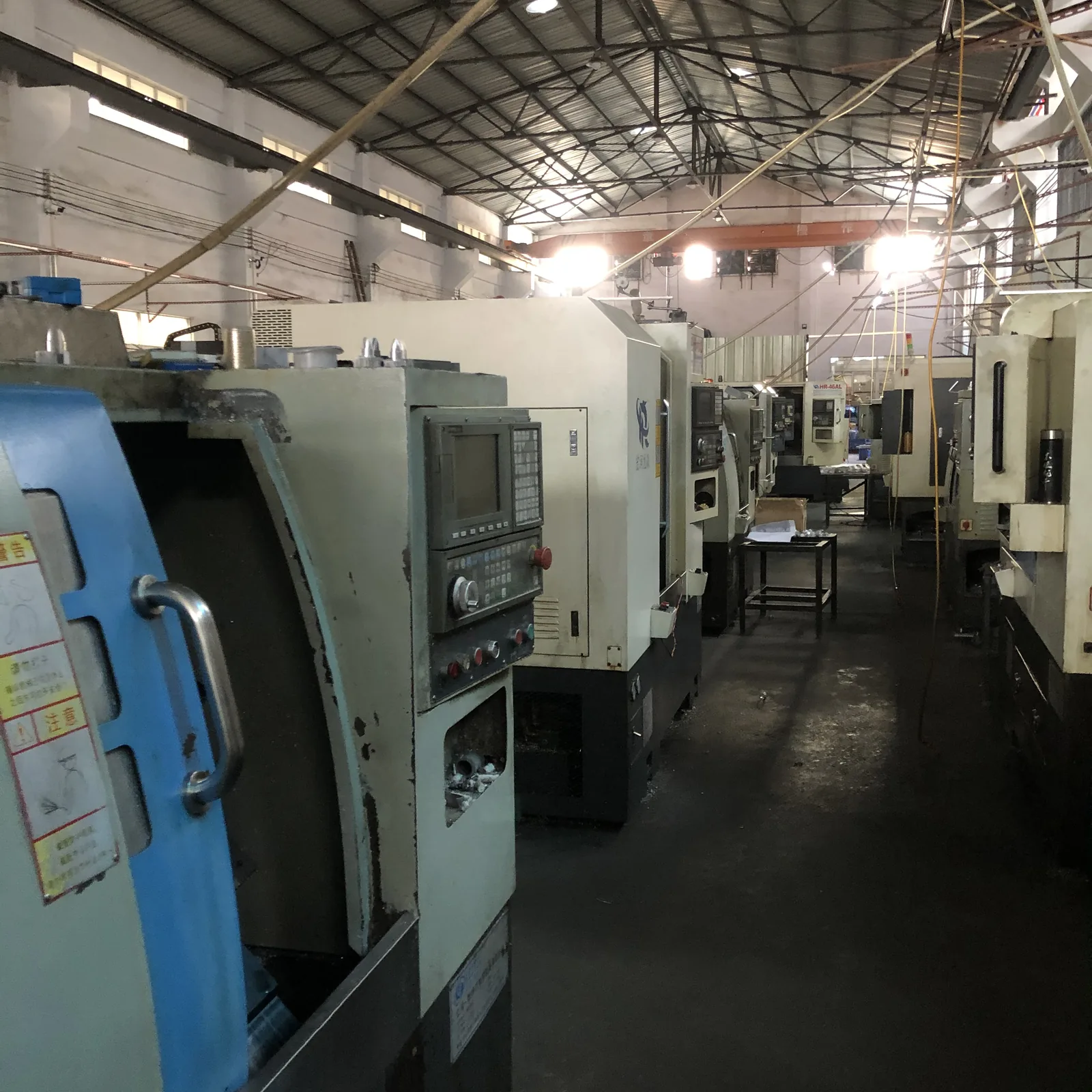
A dependable supplier should be able to provide more than a catalog and a quotation sheet. For B2B buyers, the minimum expectation is technical evidence that the product can be made consistently.
- Drawing review with critical dimensions identified, including fit-related dimensions and finish callouts.
- Material certificates or incoming inspection records for aluminum, steel, plastic, and outsourced subcomponents.
- First article inspection report with measured values, not only pass or fail comments.
- Surface treatment specification covering color reference, gloss target if applicable, and coating or plating thickness range.
- In-process QC checkpoints for stamping, spinning, machining, coating, and final assembly.
- Functional or assembly trial results showing cap fit, diffuser retention, and basic compatibility with mating parts.
- Nonconformance handling process with segregation, rework criteria, and corrective action records.
- Lot traceability from raw material to finished shipment.
If a supplier cannot explain where defects usually happen and how they are prevented, that is a warning sign. Experienced factories know their weak points. They can tell you, for example, that burr height increases when a stamping die nears maintenance interval, or that paint thickness must be controlled on mating surfaces to avoid press-fit issues. This kind of detail is often more valuable than a polished presentation.
Factory verification and QC checklist for LED bulb SKD projects
Below is a practical verification framework buyers can use during supplier audit, sample approval, or pre-production review. It is especially useful when the project includes metal housings, lamp caps, coated parts, and mixed-material assemblies.
| Stage | Verification item | Acceptance focus | Notes |
|---|---|---|---|
| RFQ stage | Confirm in-house vs outsourced processes | Clear process map | Hidden outsourcing affects lead time and consistency |
| Sample stage | Measure critical dimensions on multiple samples | Within drawing tolerance | Do not approve from one hand-picked sample |
| Sample stage | Check finish adhesion and thickness | Stable finish performance | Review both cosmetic and fit impact |
| Pre-production | Run pilot assembly with actual mating parts | Smooth assembly flow | Watch for force, tilt, cracking, glue overflow |
| Mass production | Audit in-process QC frequency | Defined check intervals | Critical for tooling wear and coating drift |
| Final inspection | Verify packaging protection and labeling traceability | Shipment-ready condition | Transit damage often starts with weak inner packing |
Before mass production approval, buyers should ask for a pilot lot made under normal line conditions. This means standard operators, production tooling, normal coating batches, and standard packing. It is the best way to catch process variation that a lab sample will hide.
When to involve the factory early
The factory should be involved early when the product has custom housing geometry, new cap configuration, special finish requirements, or tight mating fits. Early review is particularly important if you are balancing appearance and assembly performance, because these often conflict.
For example, a buyer may request thicker powder coating for better cosmetic coverage, but that extra thickness can reduce thread clearance or interfere with snap-fit engagement. A brushed finish may improve appearance on exposed metal, but if the brushing direction is inconsistent, the lot will look mixed under retail lighting. A thinner aluminum wall may reduce cost, but can deform during spinning, coating bake, or cap crimping.
Involving the supplier at drawing and prototype stage helps resolve these tradeoffs before tooling is fixed. Good factories can suggest tolerance stack-up adjustments, masking areas for coating, burr-sensitive edge revisions, or packaging changes that reduce damage without overpacking.
How to make sample approval more meaningful?
Sample approval should confirm repeatability, not only appearance. A stronger approval process usually includes three steps: dimensional report, assembly trial, and finish verification. If the project is sensitive, add a small pilot run from the intended mass-production line.
- Approve against a controlled drawing revision and finish standard.
- Measure multiple pieces from the sample batch, not one piece only.
- Assemble with real mating parts and record insertion force, torque, or retention issues.
- Review edges, burrs, coating buildup, and glue path under normal lighting and close inspection.
- Confirm packaging method on approved samples, not after production is complete.
This approach reduces the gap between engineering approval and production reality. It also gives procurement teams a firmer basis for supplier comparison when two quotations look similar on paper.
Conclusion
Selecting led bulb skd suppliers should be treated as a factory capability decision, not just a purchasing exercise. The most reliable partners are the ones that can show process discipline, measurable tolerances, finish control, assembly validation, and honest discussion of production risks. That is what protects launch timing, assembly yield, and field quality.
If you are comparing suppliers for a new LED bulb SKD project, the next practical step is to review the factory’s manufacturing scope, confirm which processes are controlled in-house, and discuss the critical dimensions and finish requirements before final sample approval. You can also review our Home or Services information to see how we support metal hardware and lighting accessory manufacturing projects.
If your project involves finish, tolerance, or custom production questions, the next useful step is to review main company website and lighting hardware sourcing support before finalizing drawings, samples, or mass-production requirements.
 Floor Lamp Sets
 Wall Lamp Sets
 Table Lamp Sets
 Custom Hotel Parts
 Custom Made Parts
 Panels
 Tubes
Tubes Universal joints
 Machined Parts