

-
 Phone:+86 189 2494 9366
-
 E-mail:info@zsshengshi.com
-
 No.5, north of the first road, Guyi Changweiyong manufacturingdistrict, Guzhen, Zhongshan, Guangdong, P.R.C
Lamp Parts Suppliers: Factory Capability Checks Before You Place an Order

Lamp Parts Suppliers: Factory Capability Checks Before You Place an Order
Key Takeaways: Choosing lamp parts suppliers should start with factory capability verification, not only price or sample appearance. Buyers should confirm process fit, material control, finish consistency, dimensional tolerance, and inspection discipline before approving tooling or mass production. A capable supplier can provide measurable evidence, not just promises.
Introduction: why buyers get into trouble with lamp parts sourcing
When procurement teams compare lamp parts suppliers, the first screens are usually quotation, lead time, and a sample photo. In production, those are not the points that create the biggest losses. The real problems appear later: threaded parts that do not assemble smoothly, plated tubes with color variation between batches, stamped brackets that twist after bending, die-cast components with porosity under coating, or decorative covers scratched during packing and final assembly.
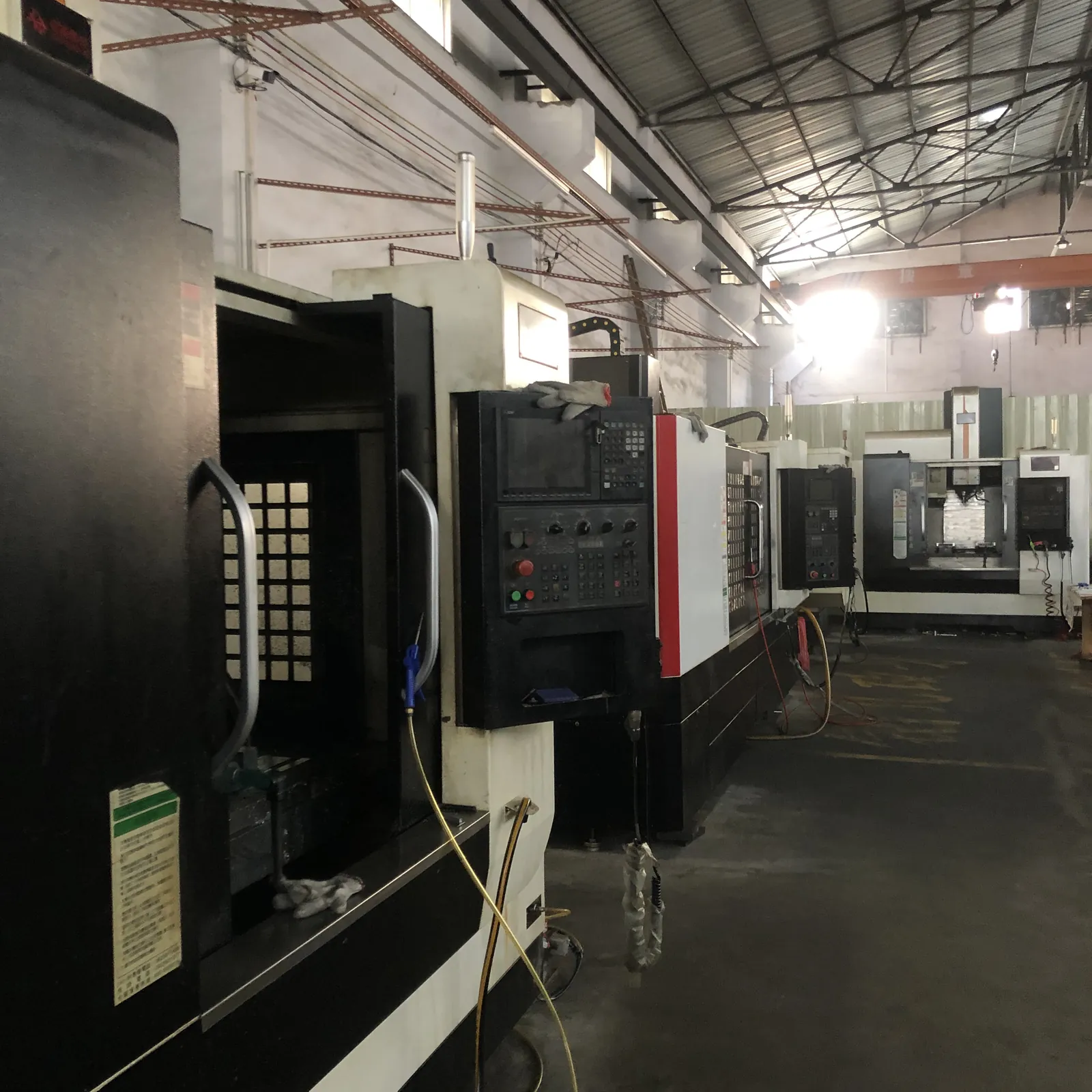
For lighting hardware, especially metal accessories and structural parts, a supplier must do more than make a part that looks acceptable. The factory needs to control forming, machining, welding, polishing, plating, powder coating, and dimensional inspection in a way that matches your drawing, your assembly method, and your cosmetic standard. If the supplier cannot show that capability before the order, the buyer usually pays for it later in line stoppage, rework, delayed shipment, or field complaints.
This article focuses on what B2B buyers should verify before placing an order with a lamp parts factory, especially for custom or semi-custom metal lighting accessories.
Why this issue matters in production
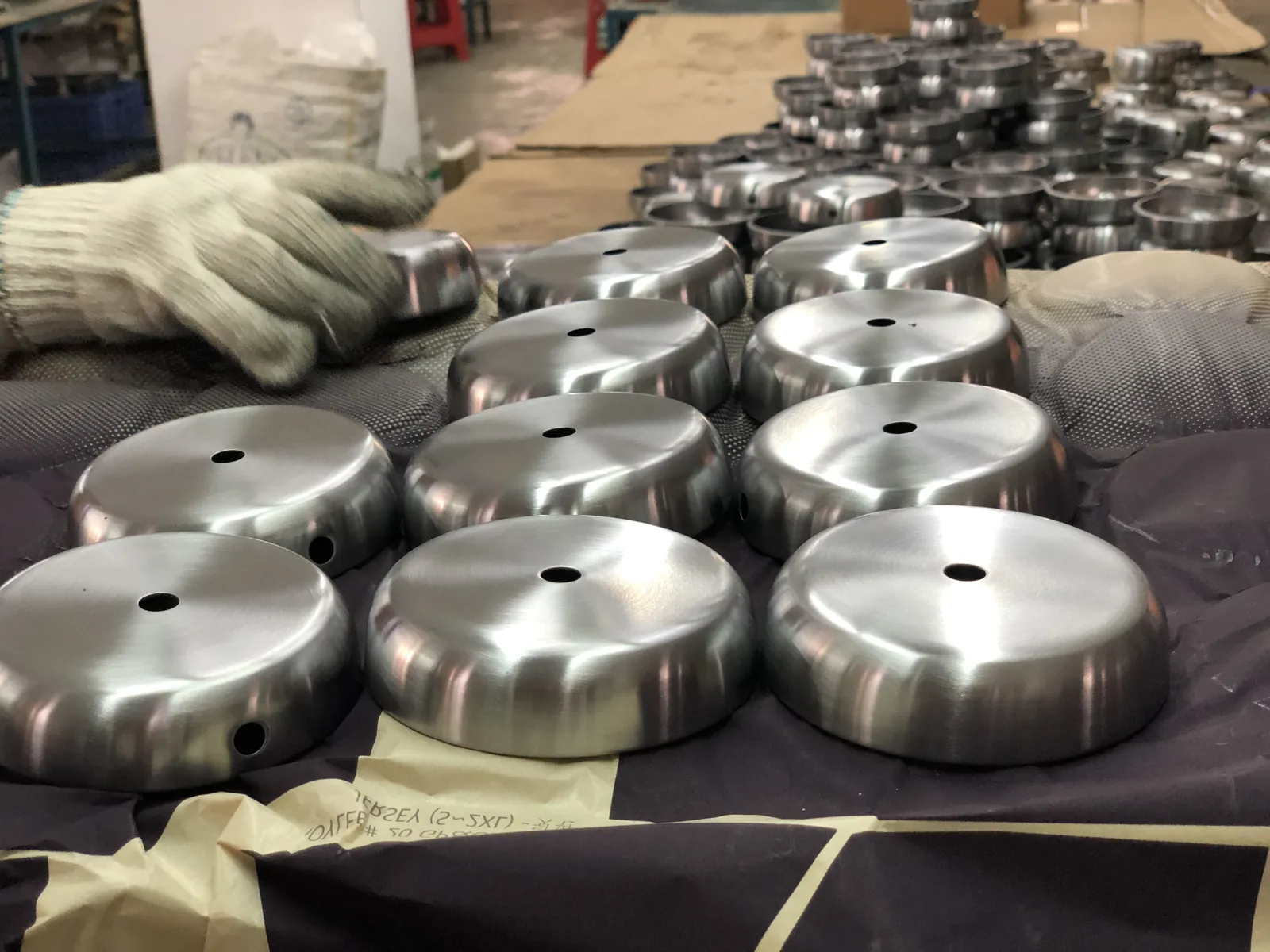
Lamp parts often look simple on a drawing, but they are usually assembly-sensitive. A tube may need straightness control to avoid visible tilt. A threaded nipple may need class-fit consistency so it does not seize after plating. A spun shade ring may need both roundness and surface smoothness because it is visible and also mates with another part. A mounting bracket may need flatness after punching and bending so the lamp body sits stable and wiring routing remains safe.
In this category, small dimensional shifts can create large downstream problems. A coating that is 10 to 15 microns thicker than expected may be enough to tighten a threaded joint. A hole position drift of 0.3 mm may turn a quick assembly into manual forcing. A welding burn mark in a visible zone may require repolishing, which then changes local geometry or coating adhesion. These are common production realities, not rare exceptions.
That is why supplier evaluation should be based on process capability and control points. If the factory only discusses unit price, it is usually too early to trust the quotation.
Common defects, failure points, and hidden risks
Experienced buyers know that the sample stage can hide risks. A supplier may hand-finish a few pieces to win the order, while mass production depends on different operators, less sorting, and faster cycle times. Below are the failure modes that most often deserve attention in lamp hardware projects.
- Thread fit problems: plating buildup, burrs, poor tapping quality, or mismatched standards between mating parts.
- Cosmetic inconsistency: color shift between batches, uneven polishing lines, orange peel in powder coating, pinholes in plating, or visible weld repair under finish.
- Dimensional instability: tube cut length variation, bend springback, stamping deformation, poor concentricity, or fixture wear.
- Material substitution risk: lower-grade steel, mixed brass composition, thinner wall tube, or different zinc alloy grade than approved.
- Assembly interference: coating on fit surfaces, hole misalignment, poor straightness, or stack-up issues across multiple purchased parts.
- Packing damage: polished or plated parts touching each other, causing scratches before final assembly or shipment.
One frequent inspection mistake is checking only single-part dimensions and ignoring mating verification. For lamp parts, function often depends on how two or more components fit together after finishing. Another common mistake is accepting a color sample without defining the substrate, gloss level, texture, and viewing condition. Satin black on steel and satin black on zinc alloy do not always look the same after coating.
What should buyers compare before approving a lamp parts supplier?
A reliable comparison should cover process fit, quality control, finishing discipline, and documentation. The table below gives a practical framework for supplier evaluation before tooling release or purchase order confirmation.
| Checkpoint | What to verify | Evidence to request | Typical risk if ignored |
|---|---|---|---|
| Material control | Grade, thickness, hardness, tube wall, alloy consistency | Material cert, incoming inspection record | Weak structure or finish mismatch |
| Process capability | Stamping, bending, machining, welding, polishing, coating fit | Machine list, sample route, in-process photos | Outsourced gaps and unstable quality |
| Tolerance control | Critical dimensions, thread fit, hole position, straightness | FAI report, gauge plan, CPK if available | Assembly failure and rework |
| Finish quality | Color, gloss, adhesion, thickness, corrosion resistance | Approved panel, thickness record, salt spray result | Batch variation or peeling |
| Inspection system | Incoming, in-process, final, and outgoing checks | Control plan, check sheet, AQL standard | Defects reach shipment |
| Assembly validation | Mating test with counterpart parts after finish | Trial assembly record, fit sample | Parts pass inspection but fail build |
| Packaging protection | Scratch prevention, part separation, carton strength | Pack-out photos, drop test if needed | Cosmetic damage in transit |
If two suppliers offer similar pricing but only one can provide this level of evidence, the lower-risk option is usually clear.
Material and finish trade-offs buyers should not overlook
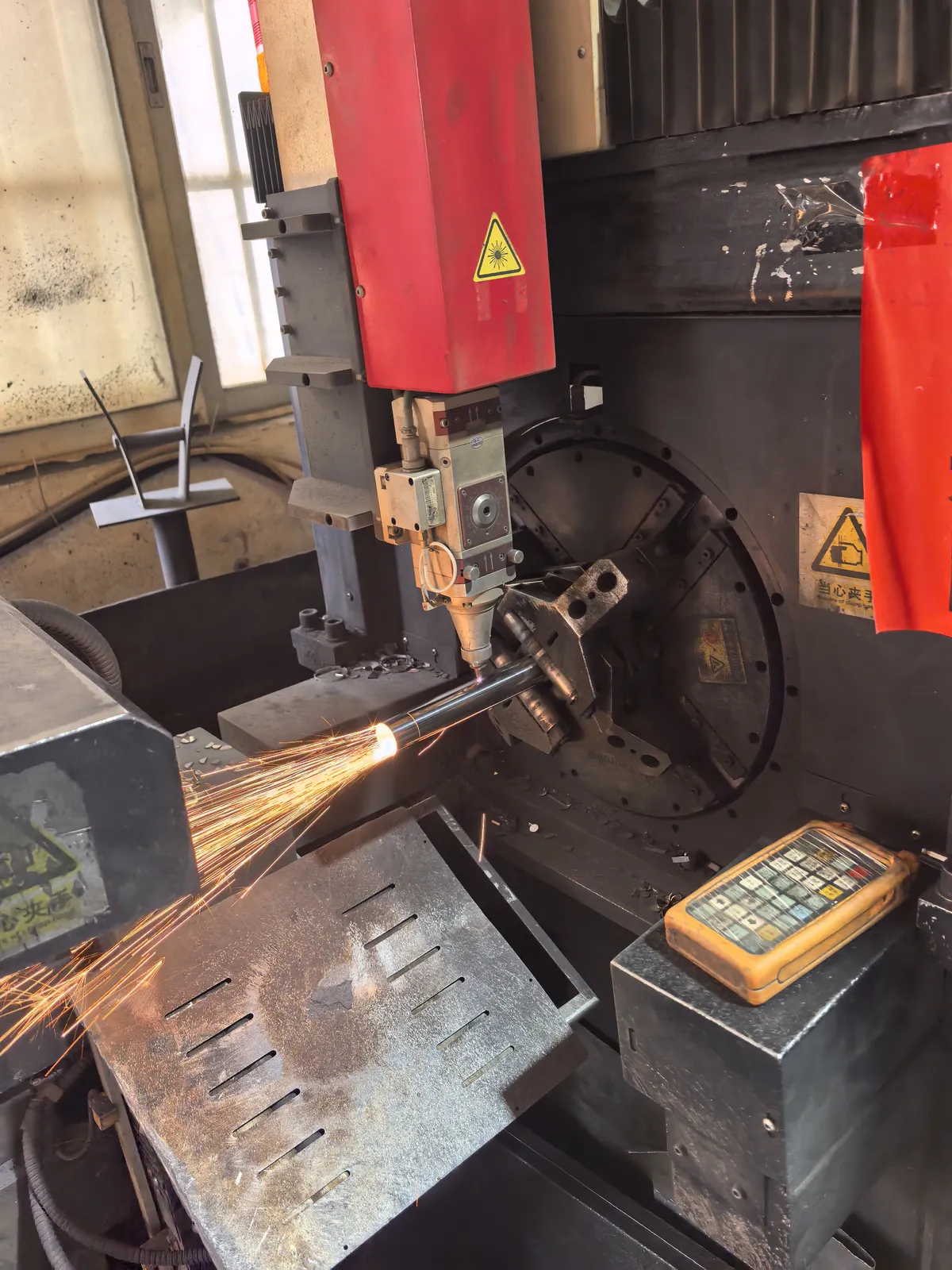
In lamp hardware, material and finish decisions affect not only appearance but manufacturability and assembly yield. Buyers should ask how the chosen material behaves during forming, welding, polishing, and coating.
| Option | Typical use | Advantage | Risk to verify |
|---|---|---|---|
| Mild steel | Brackets, tubes, frames | Cost-effective and easy to form | Rust risk if pretreatment is weak |
| Stainless steel | Visible decorative parts | Corrosion resistance and premium look | Polishing consistency and weld discoloration |
| Brass | Decorative fittings, threaded parts | Machinability and classic finish options | Material price and color variation |
| Zinc alloy die casting | Complex decorative shapes | High detail and fast volume output | Porosity under plating or coating |
| Powder coating | Frames, brackets, visible metal parts | Good coverage and durability | Thickness can affect fit surfaces |
| Electroplating | Decorative bright finishes | High cosmetic appeal | Pitting, edge burn, color consistency |
A good supplier should explain where finish masking is required, which surfaces are cosmetic class A, and whether any post-finish tapping, reaming, or chase-thread operation is necessary. If they do not raise these points, the engineering review may be too shallow.
What a reliable lamp parts factory should be able to provide
A reliable supplier does not only send samples and a quotation sheet. They should be able to provide a controlled package of technical and quality information before mass production starts.
- Drawing review feedback: comments on hard-to-hold tolerances, finish limitations, or assembly risks.
- Sample traceability: clear note of process route, material batch, and whether the sample is hand-made, pilot-run, or production-equivalent.
- FAI or dimensional report: actual measured results against critical drawing dimensions.
- Finish approval standard: color panel, gloss expectation, coating thickness range, and cosmetic acceptance criteria.
- Inspection plan: incoming checks, in-process controls, final inspection method, and defect sampling rule.
- Packaging standard: part separation method for plated or polished components, label control, and carton configuration.
- Change control discipline: no material, tool, subcontractor, or finish change without buyer approval.
This matters because many lamp part issues are not caused by one major failure. They come from several small uncontrolled changes that accumulate across sourcing, processing, finishing, and packing.
Practical pre-order verification checklist
Before you release tooling, approve samples, or place a production order, use this checklist with the supplier and your internal engineering team.
- Confirm material specification, thickness, and grade on the drawing and purchase documents.
- Mark critical dimensions separately from general tolerances.
- Define thread standard, fit class, and whether dimensions apply before or after coating.
- Identify cosmetic surfaces and acceptable defect limits under a stated viewing distance and light condition.
- Approve finish sample on the actual substrate, not only on a generic color chip.
- Request a mating or trial assembly using finished parts.
- Verify whether welding, polishing, plating, or coating is done in-house or by subcontractors.
- Ask for first article measurements and process control records for critical features.
- Review packaging method for scratch-sensitive and high-gloss parts.
- Set approval rules for any process or material change after sample sign-off.
This checklist is simple, but it prevents many expensive failures that appear only after goods arrive at your assembly site.
When to involve the factory early
Factory involvement should start before final sample approval whenever the part has one or more of these conditions:
- tight fit between threaded or nested metal parts
- decorative finish with high cosmetic expectations
- multiple operations such as stamping, welding, polishing, and plating
- thin-wall tube or formed sheet metal prone to distortion
- mixed materials in one assembly
- complex packaging requirements to prevent damage
Early discussion allows the supplier to recommend tolerance adjustments, masking zones, fixture design, or process sequence changes. For example, moving one hole operation after forming may improve positional accuracy. Increasing a clearance slightly may protect assembly yield after powder coating. Adding a simple checking fixture may control straightness faster than relying on operator judgment. These are practical factory-side improvements that reduce risk before volume production starts.
Conclusion: choose lamp parts suppliers based on proof, not only price
The best lamp parts suppliers are not simply the ones with the lowest quotation or the fastest sample turnaround. They are the factories that can show process control, understand assembly risk, hold the right tolerances, manage finish consistency, and document what they are doing before your order enters mass production.
If you are comparing suppliers for custom lamp hardware or lighting accessories, the next step is to review factory capability against your actual drawings, finish requirements, and inspection expectations. You can also explore our Home and Services pages to see how we support metal hardware manufacturing, sample verification, and production control for lighting components.
If your project involves finish, tolerance, or custom production questions, the next useful step is to review main company website and lighting hardware sourcing support before finalizing drawings, samples, or mass-production requirements.
 Floor Lamp Sets
 Wall Lamp Sets
 Table Lamp Sets
 Custom Hotel Parts
 Custom Made Parts
 Panels
 Tubes
Tubes Universal joints
 Machined Parts