

-
 Phone:+86 189 2494 9366
-
 E-mail:info@zsshengshi.com
-
 No.5, north of the first road, Guyi Changweiyong manufacturingdistrict, Guzhen, Zhongshan, Guangdong, P.R.C
How to Specify Hospitality Lighting Hardware for Hotel, Resort, and Guestroom Projects

How to Specify Hospitality Lighting Hardware for Hotel, Resort, and Guestroom Projects
Key Takeaways: Specifying hospitality lighting hardware is not only about appearance; it directly affects installation speed, finish consistency, maintenance cycles, and project risk. Buyers should compare suppliers on material control, finishing repeatability, OEM support, documentation quality, and proof of production capability before confirming orders for hotel, resort, or guestroom programs.
For hotel, resort, and guestroom projects, lighting hardware is rarely a simple catalog purchase. Buyers are usually coordinating decorative intent, brand standards, engineering constraints, and installation schedules at the same time. That is why hospitality lighting hardware needs to be specified with more discipline than many teams expect. A part that looks acceptable in a sample room can still create problems later if plating shifts between batches, mounting dimensions vary, or the factory cannot hold delivery dates across phased openings.
From a sourcing perspective, the challenge is practical: procurement teams need hardware that matches the design concept, survives heavy-use environments, and can be manufactured at scale without avoidable quality disputes. This article focuses on use cases, project fit, and buyer scenarios so teams can compare suppliers more effectively and confirm the right details before placing an order.
Why This Decision Matters Commercially and Operationally
In hospitality projects, lighting hardware affects more than fixture assembly. It influences room readiness, contractor coordination, replacement planning, and the perceived quality of the property. A decorative arm, canopy, bracket, finial, tube, shade ring, or custom mounting plate may represent a small share of total project value, but it can still delay installation if dimensions are off or if finish approval is not locked early.
For procurement and product teams, the commercial impact usually shows up in five areas:
- Rework cost when hardware does not fit electrical layouts or fixture bodies
- Site delays caused by late delivery of custom metal parts
- Warranty exposure from corrosion, peeling, loose threads, or poor weld finishing
- Brand inconsistency when guestroom and corridor finishes do not match across phases
- Higher total cost when suppliers quote low but cannot support engineering changes or repeat orders
This is especially relevant in projects with multiple property zones. Guestrooms may prioritize cost control and repeatability, while lobbies, villas, restaurants, and spa areas often require lower-volume custom hardware with tighter visual standards. A capable factory should be able to support both scenarios or clearly define where its fit is limited.
Common Specification and Sourcing Mistakes
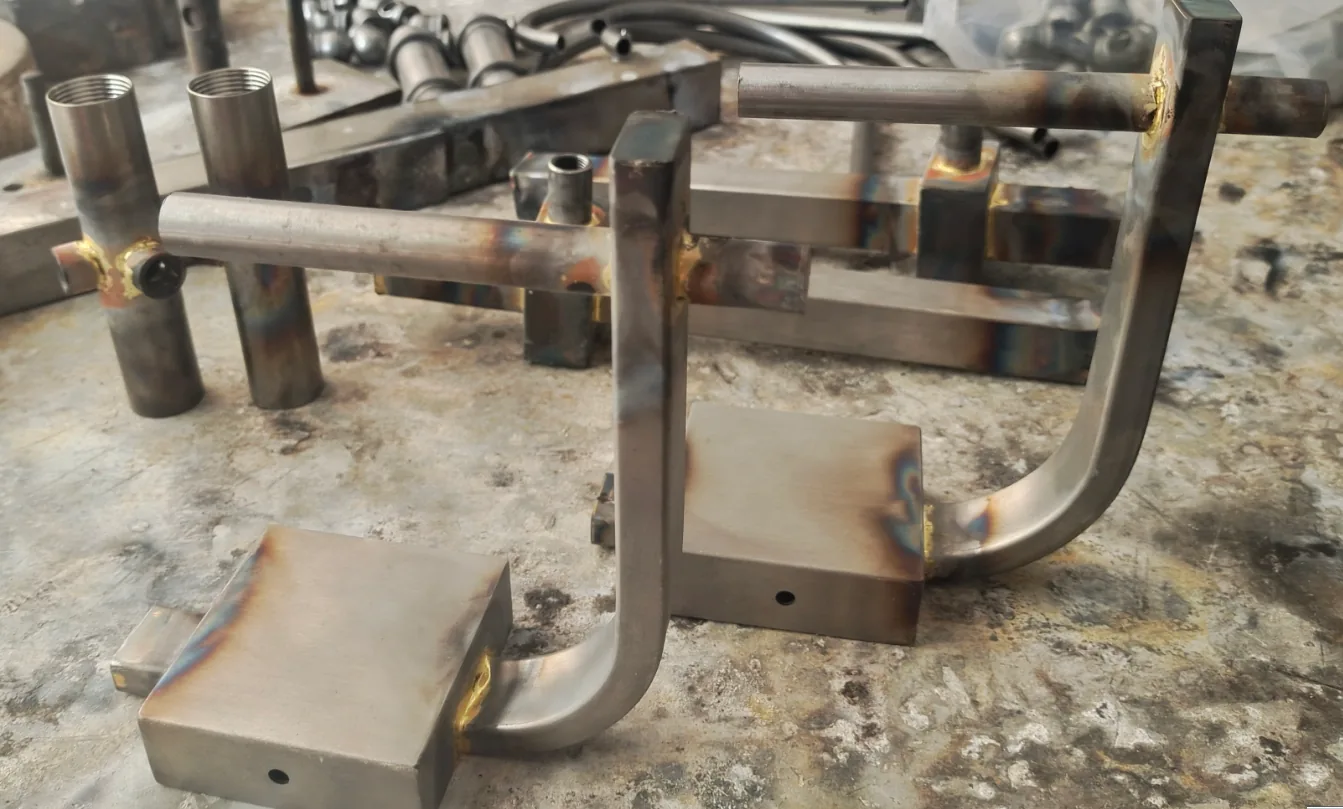
Many sourcing problems begin with weak comparison habits rather than obvious factory failure. Buyers often compare quotations line by line but do not compare what is actually included in the manufacturing scope. In hospitality lighting projects, that creates avoidable risk.
- Approving finish by photo instead of physical standard sample
- Using design drawings that do not define tolerance, thread type, or wall thickness
- Comparing unit price without separating tooling, sampling, finishing, and packaging cost
- Assuming decorative suppliers can also manage structural mounting requirements
- Ignoring low-volume reorder capability for future maintenance demand
- Not confirming whether the supplier controls plating in-house or through subcontractors
- Skipping pilot production review before full project release
One common mistake in hotel programs is treating all rooms as a single-use case. Standard guestrooms, suites, public areas, and outdoor resort spaces often need different hardware specifications. For example, bedside reading light hardware may prioritize thread consistency and fast assembly, while lobby pendant hardware may need heavier gauge material, stronger weld control, and more careful cosmetic inspection.
What should buyers compare between hospitality lighting hardware suppliers?
A useful supplier comparison should go beyond price and lead time. Buyers should compare process stability, engineering support, finish control, and communication quality in relation to the actual project scenario. The table below is a practical framework for hotel, resort, and guestroom sourcing reviews.
| Comparison Point | Supplier A: Better Fit Signals | Supplier B: Risk Signals | Buyer Question |
|---|---|---|---|
| Material control | Defined grade and thickness records | Generic material description only | Can you show incoming material traceability? |
| Finish consistency | Master sample and batch approval process | Color judged visually only | How do you control plating or coating variation? |
| OEM support | Reviews drawings and suggests changes | Builds only to print without feedback | Will you flag manufacturability risks before tooling? |
| Lead time reliability | Capacity plan by project phase | Single promise without schedule detail | What is the production plan for phased delivery? |
| MOQ flexibility | Supports pilot run and service reorder | High MOQ on every SKU | Can you support low-volume replacement orders? |
| Quality documentation | Inspection records and sample retention | No formal records shared | What inspection reports come with shipment? |
| Communication speed | Clear answers with drawings and photos | Slow replies and vague updates | Who owns engineering and order follow-up? |
This type of comparison helps buyers identify project fit. A supplier may be acceptable for simple standard brackets but not for custom decorative assemblies with mixed finishes, tight tolerances, and phased hotel opening dates.
Project Fit by Use Case: Hotel, Resort, and Guestroom Scenarios
Not every hospitality project needs the same hardware sourcing strategy. Buyers should align the factory choice with the application environment and order structure.
| Project Scenario | Typical Hardware Need | Main Risk | Best Supplier Fit |
|---|---|---|---|
| Standard guestrooms | Repeatable arms, tubes, canopies, plates | Batch variation across room sets | Stable mass-production factory |
| Luxury suites | Decorative custom parts and premium finish | Cosmetic defects | Factory with stronger finishing control |
| Lobby and public area | Larger structural decorative components | Weld and load issues | Engineering-capable metal processor |
| Outdoor resort areas | Corrosion-resistant metal hardware | Finish failure in humidity | Supplier with environment-specific finish testing |
| Renovation and retrofit | Compatible replacement and low MOQ parts | Dimension mismatch | Flexible OEM supplier with reverse-engineering support |
The practical lesson is simple: project fit matters more than broad claims. A supplier that performs well on high-volume guestroom hardware may not be the best option for statement pieces in a resort lobby. Buyers should segment the program early if the use cases differ significantly.
What Factory Capability Evidence Should Buyers Request?
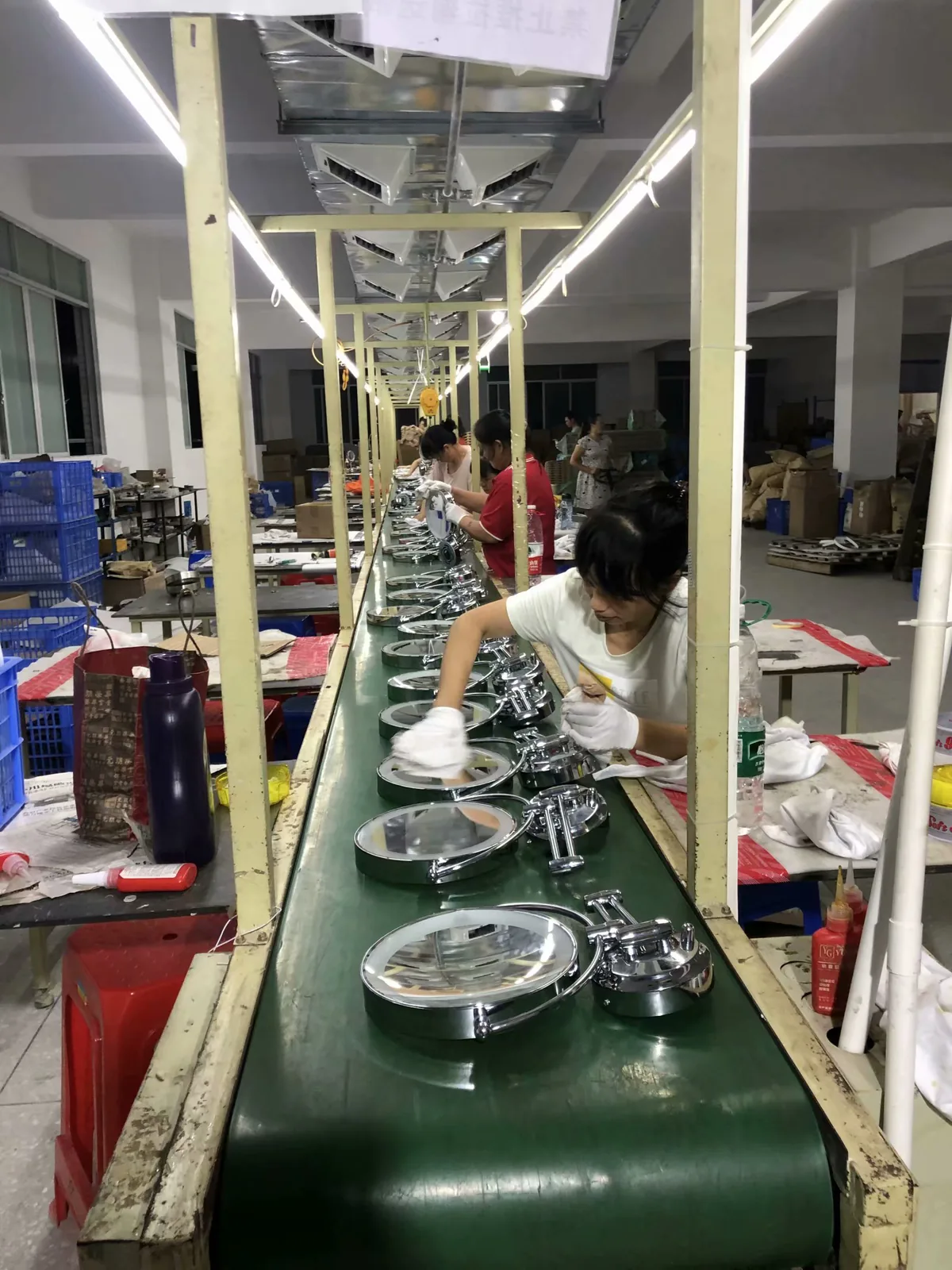
Reliable suppliers should be able to prove capability with evidence, not only promises. For hospitality lighting hardware, buyers should request documents and production references that show the factory can control both appearance and function.
- Material specifications for brass, steel, aluminum, stainless steel, or zinc alloy parts
- Process flow showing cutting, forming, machining, welding, polishing, plating, coating, and assembly steps
- Photos or videos of actual equipment used for comparable parts
- Dimensional inspection reports from trial samples
- Finish approval samples under agreed lighting conditions
- Salt spray, adhesion, or other finish-related test records when relevant
- Packaging specification for decorative hardware protection during transit
- Case references for hotel, resort, apartment, or commercial lighting programs
For OEM or ODM collaboration, buyers should also confirm whether the supplier can review drawings before tooling, recommend tolerance adjustments, simplify hidden structures, and reduce unnecessary welding or polishing steps. That kind of feedback is often where cost and lead time savings are found without changing the visible design intent.
Practical Buyer Checklist Before Placing an Order
Before order confirmation, procurement and engineering teams should align around a short but disciplined checklist. This avoids the common problem where commercial approval is given before technical details are frozen.
| Checkpoint | Why It Matters | What to Confirm |
|---|---|---|
| Approved drawing revision | Prevents version confusion | Dimensions, threads, hole pattern, tolerance |
| Finish master sample | Locks visual standard | Color, gloss, texture, defect acceptance |
| Production sample sign-off | Validates manufacturability | Assembly fit, weld quality, edge treatment |
| Inspection standard | Reduces dispute risk | Critical dimensions and cosmetic criteria |
| Packaging method | Protects decorative surfaces | Individual wrap, separators, carton labeling |
| Lead time plan | Supports installation schedule | Sampling, production, inspection, shipment dates |
| MOQ and reorder terms | Supports service parts later | Minimum repeat quantity and retention period |
How to Reduce Sourcing Risk Before Order Confirmation
The best way to reduce risk is to treat custom lighting hardware as a controlled manufacturing project, not a decorative afterthought. Buyers should ask for a pre-production sample built with the actual process route, not a hand-finished showroom sample. This gives a more realistic view of surface quality, join lines, plating response, and assembly repeatability.
It is also wise to separate cosmetic approval from structural approval. A polished brass arm may look correct but still fail on thread engagement or mounting alignment. For hotel and resort projects, where installation windows are tight, these issues become expensive very quickly.
If the order includes several finishes or room types, buyers should define batch segmentation in advance. For example, one supplier may produce matte black and brushed brass in the same program, but each finish may need separate control samples, defect standards, and packaging rules. This is especially important when the supplier relies on external finishing partners.
Finally, confirm communication ownership. Many sourcing delays happen because design, engineering, and order follow-up are split between different contacts with no clear accountability. A reliable manufacturer should identify who owns technical review, sampling updates, production scheduling, and final inspection reporting.
Conclusion
Well-specified hospitality lighting hardware helps hotel, resort, and guestroom projects stay on schedule while protecting finish quality, installation efficiency, and long-term replacement consistency. Buyers who compare suppliers on capability evidence, project fit, finish control, and reorder support usually make stronger sourcing decisions than teams focused only on initial price.
If you are reviewing a new hospitality lighting program, the next practical step is to compare manufacturing capability against your actual use case, then discuss OEM or custom hardware requirements with a qualified factory team. You can also review the company Home and Services information to see whether the production scope, finishing processes, and project support model match your sourcing needs.
If your project involves finish, tolerance, or custom production questions, the next useful step is to review main company website and lighting hardware sourcing support before finalizing drawings, samples, or mass-production requirements.
 Floor Lamp Sets
 Wall Lamp Sets
 Table Lamp Sets
 Custom Hotel Parts
 Custom Made Parts
 Panels
 Tubes
Tubes Universal joints
 Machined Parts