

-
 Phone:+86 189 2494 9366
-
 E-mail:info@zsshengshi.com
-
 No.5, north of the first road, Guyi Changweiyong manufacturingdistrict, Guzhen, Zhongshan, Guangdong, P.R.C
Sample Room Setup: Factory Proof Points Buyers Should Verify

Sample Room Setup: Factory Proof Points Buyers Should Verify
Key Takeaways: A strong sample room setup is not just for display. It should give buyers proof of process control, finish consistency, engineering support, and production readiness. When comparing metal hardware and lighting accessory suppliers, buyers should verify whether the sample room connects clearly to tooling, QC, documentation, and mass-production capability.
For procurement teams and product managers, a factory visit often starts with the sample room setup. Many buyers treat it as a showroom, but in metal hardware and lighting accessories processing, it should be evaluated as evidence. The right sample room helps confirm whether a supplier can translate drawings, finish standards, and assembly requirements into repeatable production. The wrong one may only show polished samples with little connection to actual manufacturing control.
When sourcing custom brackets, stamped parts, lamp body accessories, mounting hardware, threaded components, decorative metal covers, or plated assemblies, buyers need more than visual appeal. They need proof that samples are traceable, technically understood, and manufacturable at the required quality level and lead time. This is where a disciplined sample room setup becomes a practical sourcing checkpoint.
Why This Decision Matters Commercially and Operationally
A sample room can influence sourcing decisions early, but its real value is in reducing commercial risk. If the room is organized by product family, process route, finish type, and customer specification, it gives buyers a fast way to judge factory fit. If it is unstructured, missing records, or disconnected from live production, the supplier may struggle later with change control, finish matching, or order execution.
In metal hardware and lighting accessories processing, small sample differences can create large downstream costs. A sample that looks acceptable in a showroom may still fail in production because of burr control, thread tolerance, weld marks, coating adhesion, color variation, or assembly mismatch. For sourcing managers, that means higher inspection costs, delayed launches, rework, claims, and unstable replenishment.
A reliable supplier should use the sample room to prove three things:
- They understand the technical requirement behind the part, not only its appearance.
- They can connect sample approval to controlled production methods.
- They maintain records that support repeat orders, engineering changes, and finish consistency.
Common Buyer Mistakes When Reviewing a Sample Room
One common mistake is judging the supplier by sample variety alone. A wall full of parts may look impressive, but volume of samples does not prove process discipline. Buyers should ask whether those samples are current, whether they match existing process capability, and whether the factory can explain how each item was made.
Another weak comparison habit is focusing only on cosmetic quality. For lighting accessories and metal hardware, appearance matters, but so do dimensions, fit, finish thickness, corrosion performance, and packaging protection. A supplier that cannot explain critical tolerances or finish test standards may still pass a visual review while exposing the buyer to later field problems.
Buyers also often fail to confirm whether the sample room reflects actual MOQ and lead-time realities. Some factories can make attractive prototypes manually but cannot scale economically. Others can produce standard parts well but become slow and error-prone when custom variants require fixture changes, secondary machining, or multi-finish coordination.
Communication risk is another overlooked issue. If the sales contact presents samples well but engineering records, revision status, and inspection criteria are unclear, the buyer may face confusion after PO placement. The sample room should support cross-functional communication, not hide gaps between sales promises and factory execution.
What should buyers compare in a sample room setup?
The best way to compare suppliers is to look beyond presentation and check whether the sample room setup provides usable sourcing evidence. Buyers should compare traceability, process explanation, finish control, engineering support, and linkage to mass production. The table below shows practical checkpoints.
| Comparison Area | Strong Supplier Signal | Weak Supplier Signal | Buyer Risk |
|---|---|---|---|
| Sample traceability | Sample linked to drawing, revision, date, and process route | No revision control or source record | Approved sample may not match future production |
| Process explanation | Factory explains stamping, machining, welding, polishing, plating, and assembly steps | Sales-only explanation with no technical detail | Misalignment on manufacturability and cost |
| Finish control | Finish panels, approved standards, and test records available | Only visual matching by memory | Color shift, plating variation, inconsistent texture |
| Engineering readiness | DFM comments, tolerance notes, and sample feedback history | No documented review | Late design issues and repeated rework |
| Production linkage | Sample tied to tooling, fixture, inspection plan, and packaging method | Prototype made by hand with no production plan | Pilot success but mass-production failure |
| Product range relevance | Samples match your category and complexity level | Broad display but few similar parts | Overestimated capability |
This comparison matters because buyers often select suppliers based on confidence signals that are easy to stage. A disciplined review shifts the discussion from display quality to execution quality. That is where sourcing confidence becomes more reliable.
What factory capability evidence should buyers request?
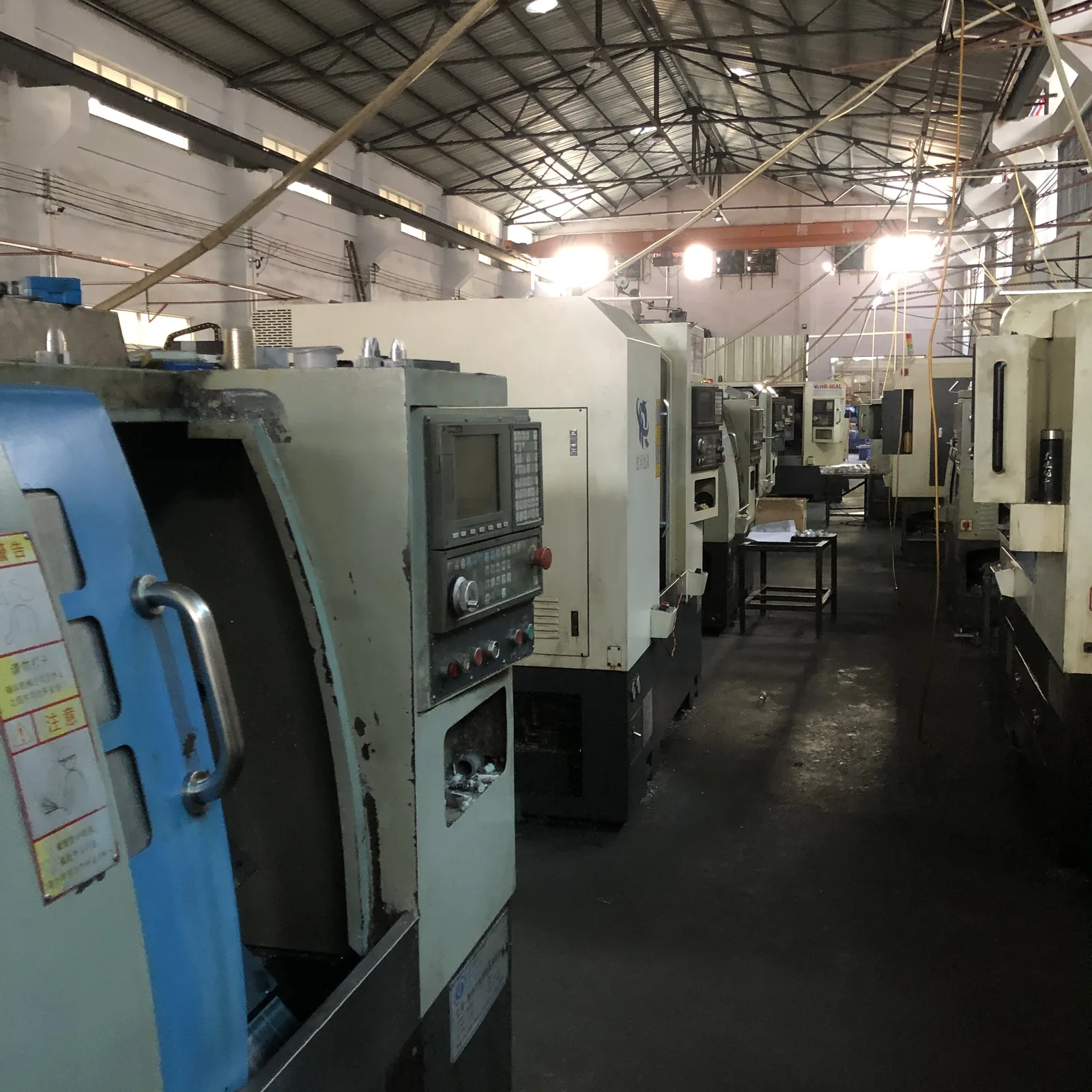
A strong sample room setup should be supported by factory evidence, not just verbal claims. Buyers should ask the supplier to show documents and records that connect sample development to actual order fulfillment. In metal hardware and lighting accessories processing, the most useful evidence usually falls into five categories.
- Drawing and revision records: Confirm that approved samples are tied to the latest drawing version, customer comments, and engineering change history.
- Process flow and control points: Request a simple route showing where blanking, stamping, CNC machining, tapping, welding, polishing, plating, powder coating, assembly, and final inspection occur.
- Inspection evidence: Ask for dimensional reports, finish checks, thread gauges, salt spray or adhesion test records where relevant, and first-article approval forms.
- Tooling and fixture readiness: Verify whether production tools already exist, who owns them, how they are maintained, and whether backup fixtures are available for repeat orders.
- Packaging validation: Check how the supplier protects cosmetic metal parts, plated surfaces, and threaded items during storage and shipment.
For custom OEM or ODM projects, buyers should also request DFM input. A capable supplier should be able to point out where wall thickness, hole position, bend radius, weld access, or finish sequence may affect cost and consistency. If the sample room contains similar parts but the supplier cannot discuss these details, the room may be more decorative than operational.
Practical Buyer Checklist for Evaluating Sample Room Setup
Use the checklist below during a factory visit or remote qualification review. It keeps the discussion focused on proof points that affect quality, lead time, and repeatability.
| Checkpoint | Yes / No | Why It Matters |
|---|---|---|
| Samples labeled with part number and revision | Prevents approval confusion | |
| Similar products to your application available | Confirms category experience | |
| Finish standards and reference panels shown | Reduces cosmetic disputes | |
| Inspection reports available for sample parts | Shows measurable control | |
| Engineering team can explain manufacturability limits | Avoids late redesign | |
| Prototype and production methods clearly distinguished | Prevents scale-up surprises | |
| MOQ and lead-time assumptions discussed by part type | Supports realistic planning | |
| Packaging samples shown for finished parts | Protects surface quality in transit |
This checklist is especially useful when comparing two factories with similar pricing. In many cases, the supplier with stronger sample control will create lower total sourcing cost, even if the piece price is slightly higher.
How to Reduce Sourcing Risk Before Order Confirmation
Before placing an order, buyers should convert sample-room impressions into order-level controls. This is where many teams fail. They approve a sample visually, but they do not lock down the documents and production conditions needed to repeat that result.
A practical risk-reduction approach includes the following steps:
- Confirm the exact approved sample reference, including revision, finish code, and any cosmetic acceptance notes.
- Request a pre-production sample or first-article confirmation if tooling, finish source, or process route changes.
- Align on critical dimensions, cosmetic zones, and defect criteria in writing.
- Clarify MOQ by finish, by material thickness, and by packaging configuration, not just by part number.
- Verify realistic lead time for tooling, sampling, pilot run, mass production, and reorders.
- Confirm who communicates engineering changes and how approval records are stored.
For lighting accessories in particular, finish consistency and assembly fit deserve extra attention. Decorative caps, tubes, canopies, brackets, and mounting plates may come from multiple process steps or outside finishing partners. If the supplier cannot show how these variables are controlled, the risk of mismatch across batches increases. That can delay assembly lines and create visible inconsistency in the final product.
Buyers should also pay attention to whether the supplier’s sample room setup reflects responsiveness. If the team can quickly retrieve sample records, explain changes, and provide supporting data, communication during production is more likely to be reliable. Slow, unclear, or inconsistent responses at sample stage usually become bigger problems after PO release.
Conclusion: Use Sample Room Setup as a Proof Tool, Not a Display Test
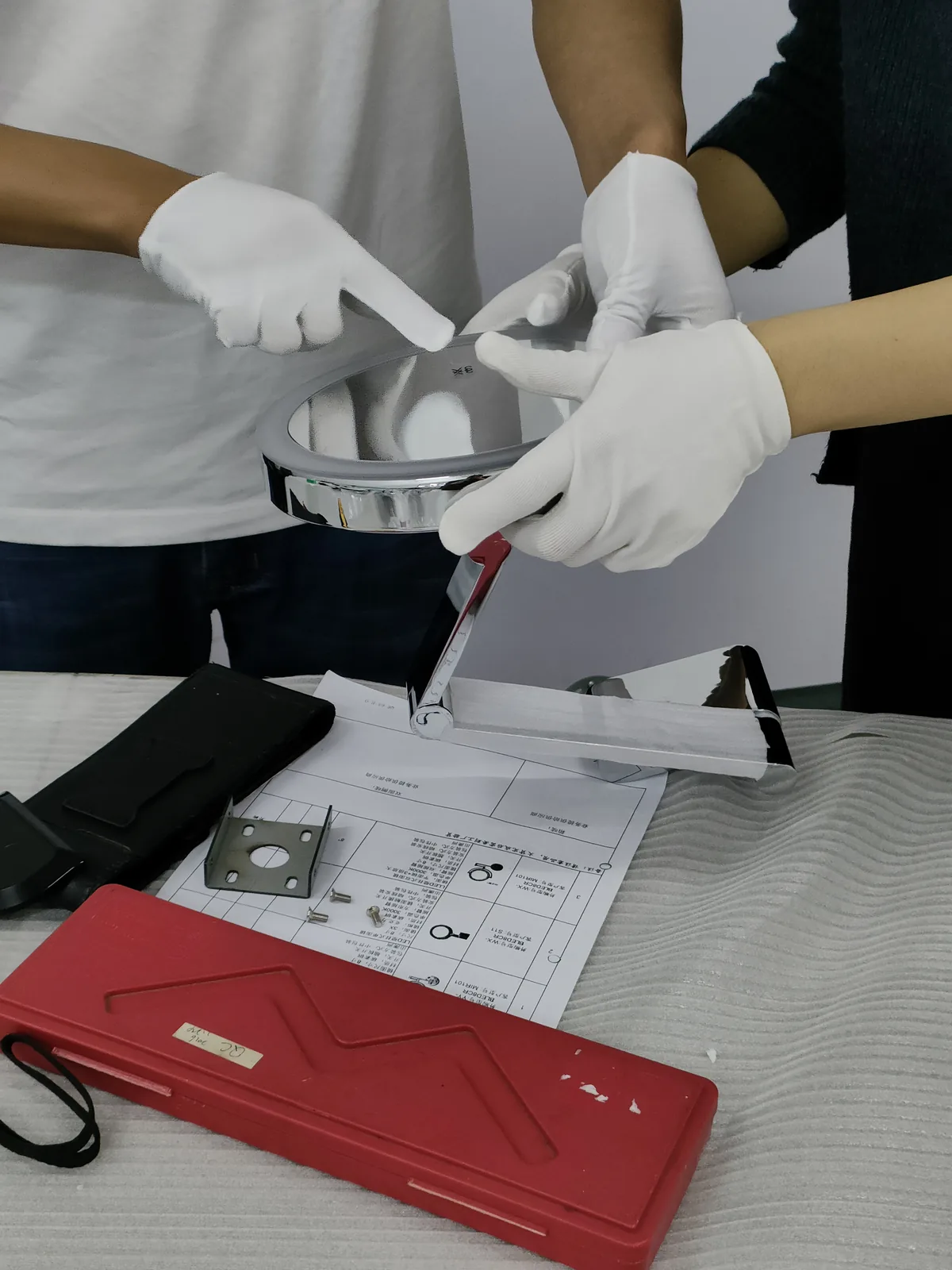
A well-managed sample room setup gives buyers more than confidence in appearance. It gives proof of technical understanding, process discipline, and readiness for repeatable supply. For procurement teams comparing metal hardware and lighting accessory manufacturers, that proof is often more valuable than a low initial quote.
If you are reviewing potential manufacturing partners, the next step is to compare how their sample control connects to engineering support, finishing capability, and production execution. You can review our About Us and Services information to understand how sample development, OEM/ODM collaboration, and production capability are managed in practice. If your team is evaluating a custom project, a sourcing conversation can help clarify the right proof points to confirm before order placement.
 Floor Lamp Sets
 Wall Lamp Sets
 Table Lamp Sets
 Custom Hotel Parts
 Custom Made Parts
 Panels
 Tubes
Tubes Universal joints
 Machined Parts